 Skip to content
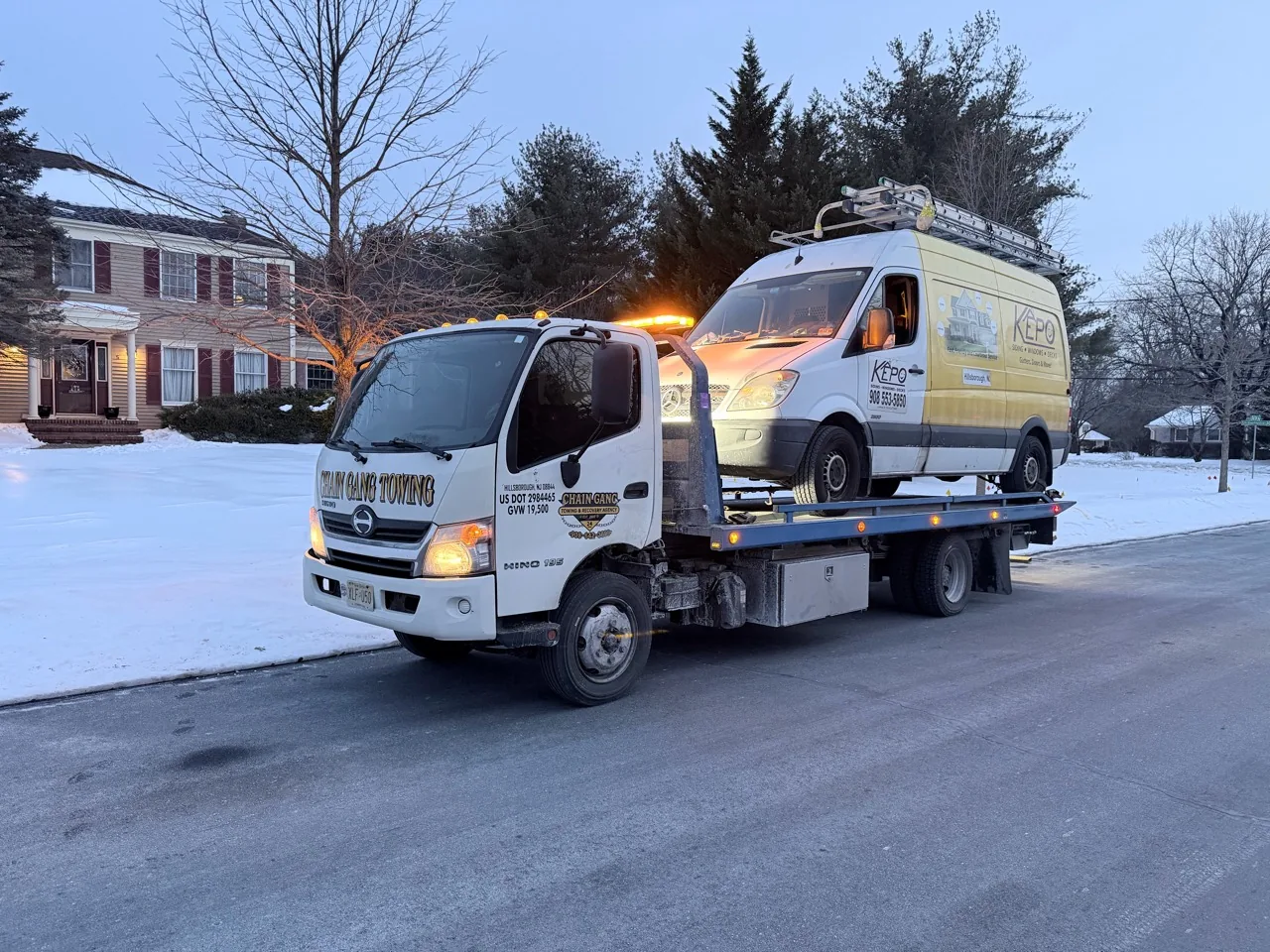
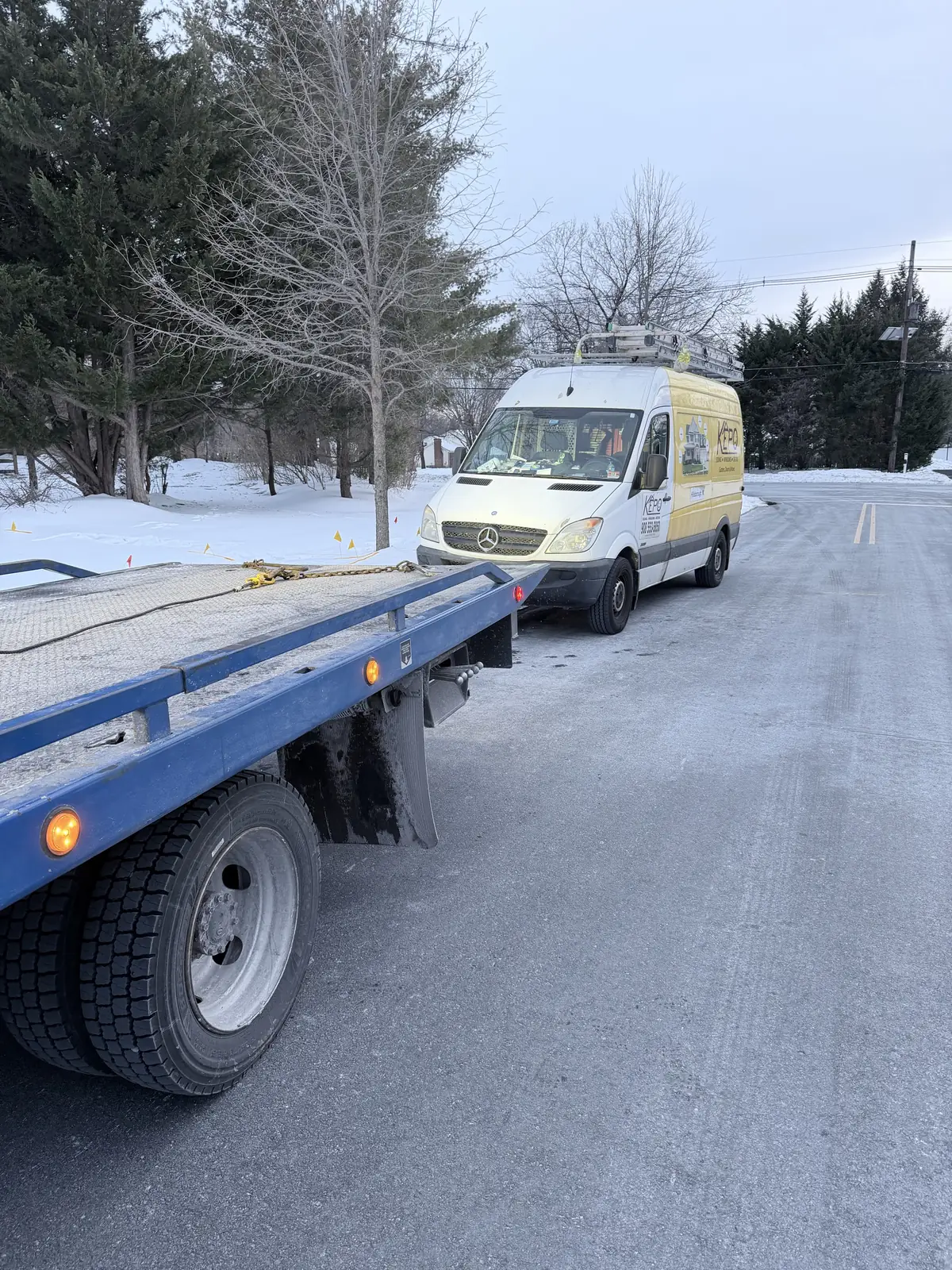
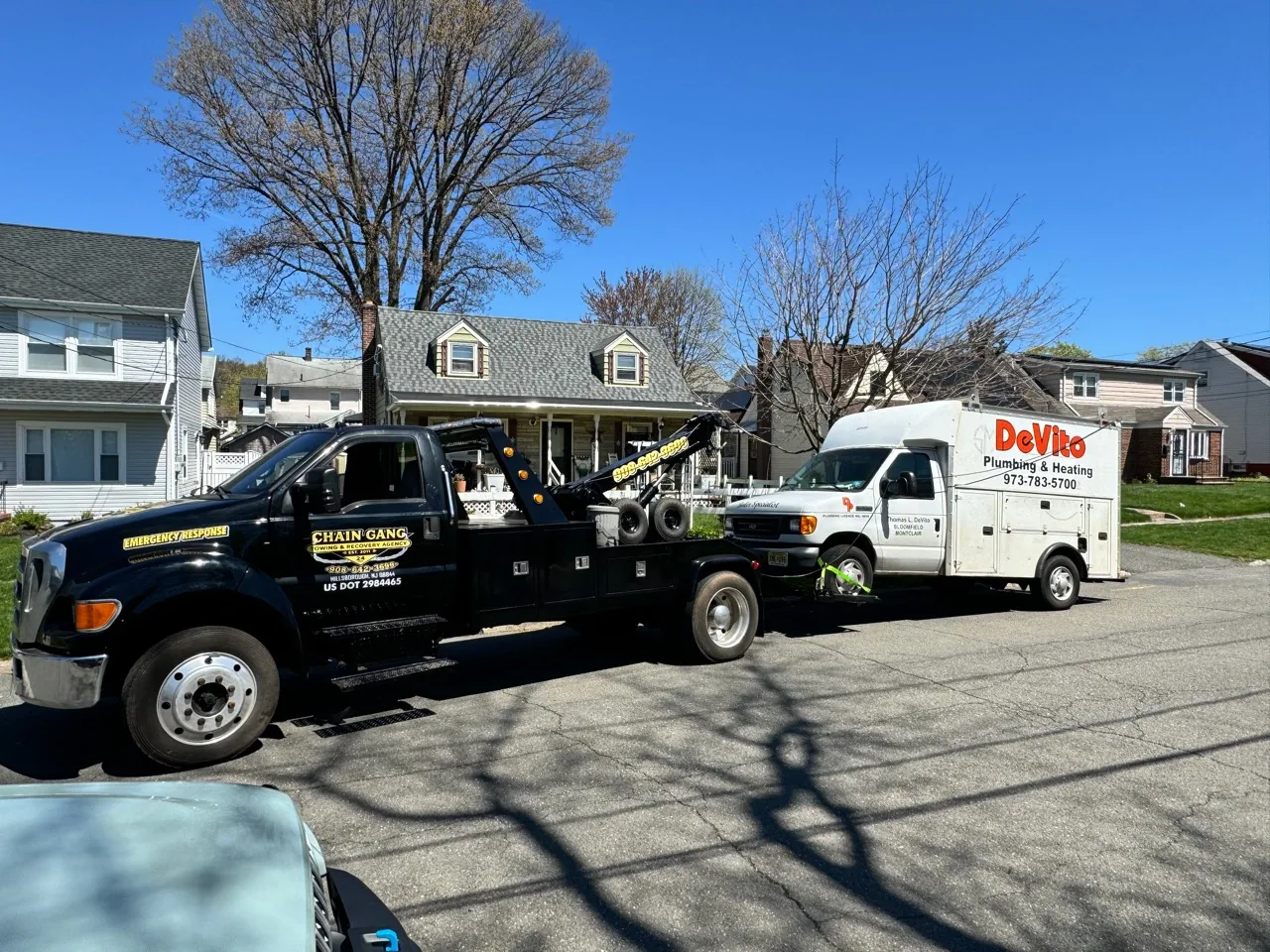
A disabled work van can interrupt both transportation and the day's work. Tools, stock, and equipment inside may matter to the towing plan. Tell dispatch about the load and the vehicle's condition instead of describing the request only as a van pickup.
Give the vehicle and load details
Provide the van's year, make, model, and whether it has equipment such as roof racks, a ladder carrier, or interior shelving. Explain whether it is loaded and identify unusual cargo. Do not assume the operator can infer the load from the outside.
Plan access to essential tools
If you need an item for another job, discuss retrieval while the van is safely parked and before loading begins. Avoid climbing into the vehicle during transport preparation or unloading heavy equipment beside traffic. Make a separate plan for anything that cannot safely stay in the vehicle.
Choose the right repair destination
Confirm that the receiving shop can accept the van, including its height and equipment. A normal passenger-car entrance may not suit a tall work vehicle. Give the shop a consistent description of the breakdown and any movement limitations.
Keep business arrangements separate
If an employer, fleet manager, insurer, or leasing company must approve the service, establish that arrangement before representing the tow as authorized. Keep the callback contact and any required reference available.
For a work-van request in Green Brook, New Jersey, Chain Gang needs enough information to assess the actual vehicle and load. Planning the pickup and delivery together can reduce avoidable confusion while you work out how to continue the rest of your day.