Skip to content
Stop Wasting Money on These 5 Car Myths

If you’ve owned a car long enough, you’ve heard all kinds of advice.
“Change your oil every 3,000 miles.”
“Premium gas makes every car run better.”
“Warm your car up for 15 minutes in the winter.”
Some of that advice might’ve been true 30 years ago. But vehicles have changed. Technology has changed. And unfortunately, outdated information is still costing drivers real money every single year.
At Chain Gang Towing & Recovery Agency, we respond to breakdowns all over Hillsborough and Woodbridge, NJ. And more often than you’d think, we see issues caused—or made worse—by following old car myths.
Let’s clear up five of the biggest ones so you can stop wasting money and protect your vehicle the smart way.
Myth #1: You Must Change Your Oil Every 3,000 Miles
This is probably the most expensive myth still floating around.
Modern engines and synthetic oils are engineered to last much longer than they did decades ago. Most newer vehicles recommend oil changes anywhere between 5,000 and 10,000 miles, sometimes even more depending on driving conditions.
Changing your oil too frequently isn’t harmful—but it is unnecessary for many vehicles. That means:
- Paying for extra oil changes
- Spending extra time at service shops
- Disposing of perfectly usable oil
The smarter move? Follow your manufacturer’s recommendation or your vehicle’s oil life monitoring system.
Now, here’s the flip side: ignoring oil changes entirely is far worse. We’ve towed vehicles in Hillsborough where engines seized because oil maintenance was delayed too long. There’s a balance—don’t overdo it, but don’t neglect it either.
Myth #2: Premium Gas Improves Performance in Every Car
If your vehicle requires premium fuel, use it. That’s non-negotiable.
But if your owner’s manual says regular unleaded is fine, putting premium in the tank doesn’t magically increase horsepower or fuel efficiency.
Premium fuel has a higher octane rating. It prevents engine knock in high-compression engines designed to use it. If your car doesn’t require it, you’re simply paying more per gallon without real benefit.
Over time, that can add up to hundreds of dollars per year.
We’ve had customers in Woodbridge ask why their car still feels sluggish despite “always using premium.” The truth? Fuel grade wasn’t the issue.
Stick to what your vehicle manufacturer recommends. Nothing more, nothing less.
Myth #3: Let Your Car Idle for 10–15 Minutes to Warm Up in Winter
New Jersey winters can be brutal. We understand the temptation to start your vehicle and let it sit until it’s “fully warmed up.”
But modern fuel-injected engines don’t need long warm-up periods.
In fact:
- Idling wastes fuel
- It increases engine wear
- It doesn’t warm up your transmission or wheel bearings effectively
The fastest way to warm up your vehicle is to start it, wait about 30–60 seconds, and then drive gently.
Extended idling also leads to carbon buildup over time. We’ve towed vehicles with rough idle and stalling issues that were partially caused by chronic long idling habits.
Warm it briefly. Then drive conservatively until it reaches operating temperature.
Myth #4: If the Check Engine Light Turns Off, the Problem Is Gone
This one costs drivers serious money.
Your check engine light can turn off temporarily, but that doesn’t mean the issue fixed itself. Modern vehicles store fault codes in the system even if the light disappears.
Ignoring it can lead to:
- Reduced fuel economy
- Emissions system damage
- Catalytic converter failure
- Complete breakdown
We’ve responded to calls in Hillsborough where someone ignored a flashing check engine light for weeks—only to end up stranded on the side of the road with severe engine damage.
If your check engine light comes on:
- Don’t panic.
- Don’t ignore it either.
- Get it scanned and diagnosed.
Small issues caught early are almost always cheaper than waiting for them to escalate.
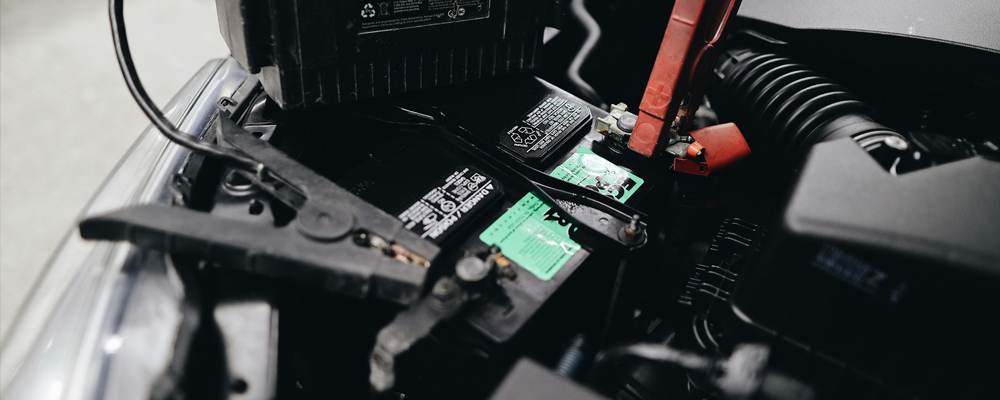
Myth #5: A Dead Battery Means You Just Need a Jump
Sometimes, yes—a jump start is all you need.
But here’s what many drivers miss: a battery rarely dies without a reason.
If your battery keeps dying, it could be:
- A failing alternator
- Corroded terminals
- A parasitic electrical drain
- An aging battery nearing the end of its lifespan
We’ve jump-started vehicles in Woodbridge parking lots only to tow them later that week because the root cause wasn’t addressed.
A jump is a temporary solution. If the problem repeats, have the charging system tested properly.
Ignoring it can leave you stranded at the worst possible time—late at night, during bad weather, or on a busy roadway.
The Real Cost of Car Myths
The biggest problem with car myths isn’t just wasted money on fuel or maintenance.
It’s what happens when misinformation leads to mechanical failure.
At Chain Gang Towing & Recovery Agency, we see the aftermath:
- Engines damaged from neglected warning signs
- Vehicles stranded due to ignored maintenance
- Electrical issues made worse by guesswork
We’re here when you need us—but we’d rather see you avoid preventable breakdowns altogether.
Smart Car Ownership in Hillsborough & Woodbridge, NJ
Being a smart vehicle owner doesn’t mean doing everything yourself. It means:
- Following manufacturer guidelines
- Getting accurate diagnostics
- Addressing small issues early
- Avoiding outdated advice
Cars today are more advanced than ever. They’re also more dependent on sensors, modules, and computer systems that require proper tools and training to service correctly.
When something feels off, sounds unusual, or lights up on the dashboard, trust your instincts. Getting it checked early often prevents the need for emergency towing later.
And If You Do Get Stuck…
Even with the best maintenance habits, breakdowns happen. Batteries fail. Starters go bad. Tires blow out. Electronics glitch.
If you find yourself stranded in Hillsborough or Woodbridge, NJ, Chain Gang Towing & Recovery Agency is ready to respond quickly and professionally.
Our priority is your safety and getting you back on track with as little stress as possible.
Car myths are expensive. Reliable information isn’t.
Stop wasting money on outdated advice—and if you ever need help on the road, we’re just a call away.