 Skip to content
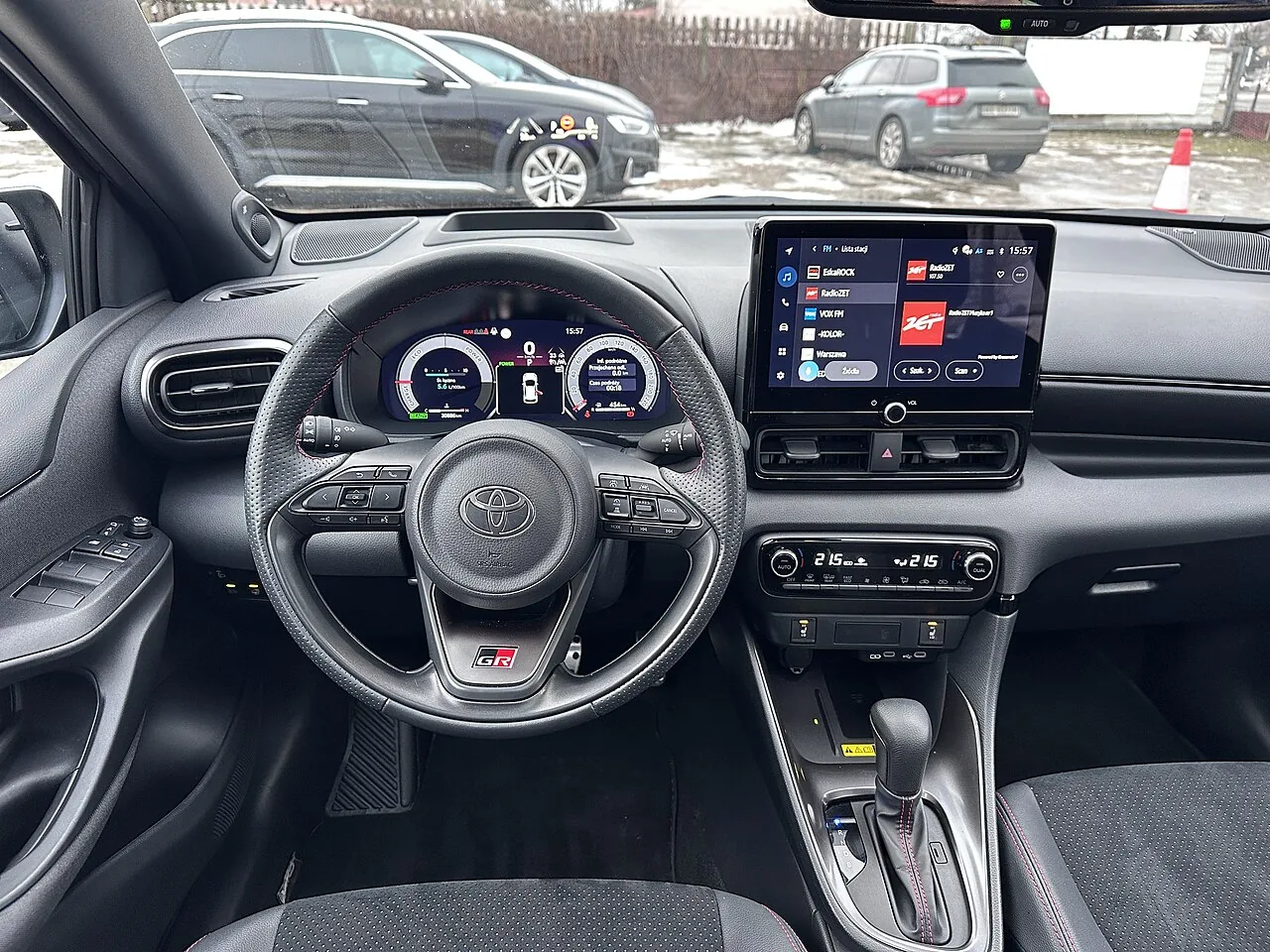
Photo: Acgskup · Source · CC BY 4.0
A steering problem changes the towing conversation because the operator needs to know how the vehicle can be moved and controlled. A car that starts is not necessarily ready to drive onto equipment or roll freely into position.
Describe what changed
Say whether the steering became unusually heavy, a wheel appears out of position, or the problem followed a collision or impact. If there is a dashboard message, give the wording. Do not continue driving or force the steering to determine how serious the problem is.
Explain the vehicle's current position
Tell dispatch if the car is beside a curb, against an obstacle, in a narrow space, or on an incline. Include which direction the wheels are facing if you can see safely. That information can affect access and loading planning even before the underlying cause is known.
Do not crawl beneath the vehicle, reconnect components, or ask bystanders to push it into the road. A steering concern may exist alongside other damage that has not yet been assessed.
Arrange a suitable receiving plan
Tell the repair shop that the car may not steer normally after unloading. Confirm where it should be placed and who will receive it. A shop expecting a vehicle it can simply drive inside may need additional information about the handoff.
For a service request in Raritan, New Jersey, Chain Gang needs the make, model, location, and observed movement problem. Leave technical diagnosis and loading methods to the relevant professionals. Clear information about what the vehicle cannot do is more useful than an unsupported conclusion about a single failed part.