 Skip to content
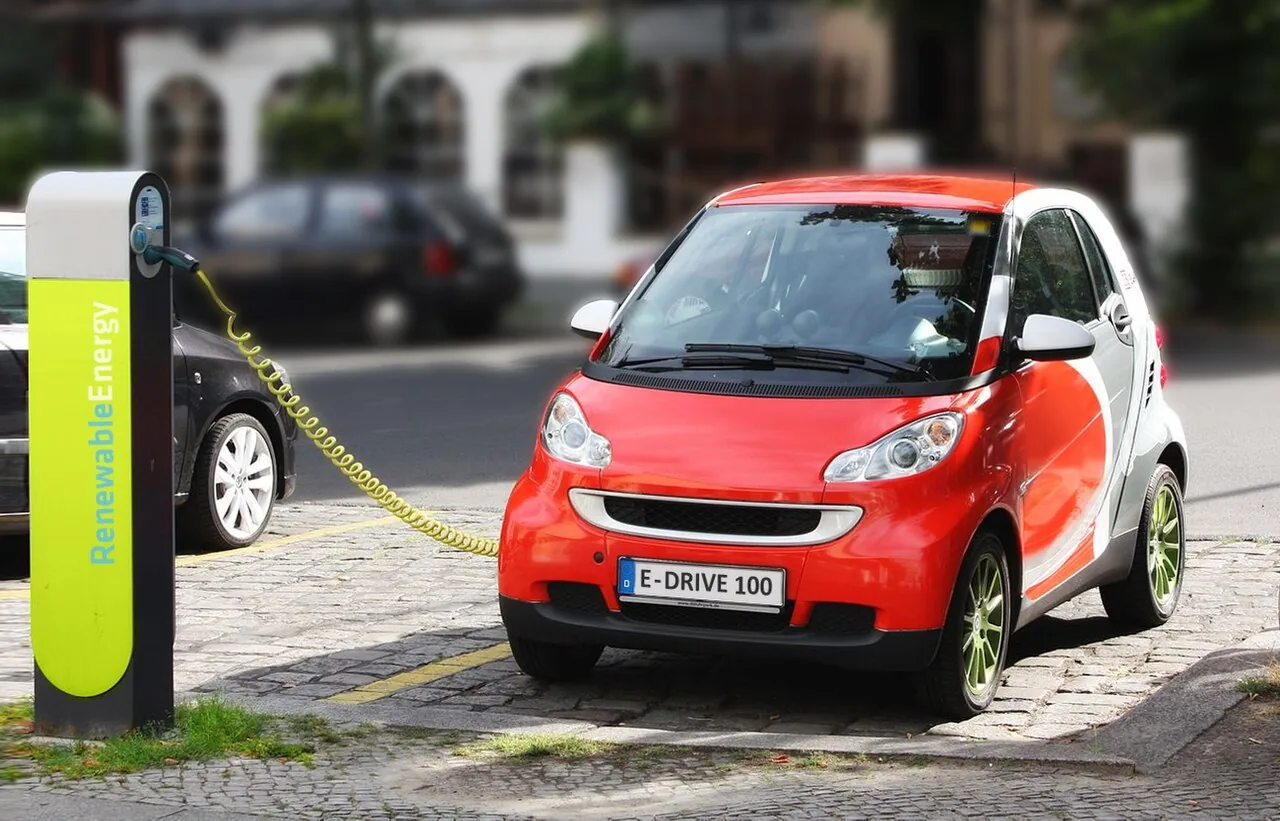
Photo: original: Michael Movchinedited by Felix Müller · Source · CC BY-SA 3.0
A low-charge electric vehicle may need more than a destination labeled “charger” on a map. Before arranging transport, confirm that the intended location can receive the vehicle and that the charging arrangement fits it. Do not assume a towing company provides mobile charging unless that service is explicitly confirmed.
Identify the vehicle and condition
Provide the year, make, model, displayed messages, and remaining charge information if the display is available. Tell dispatch whether the vehicle can shift or roll and whether it has low-voltage power. A depleted traction battery and a separate power-system problem should not be treated as the same diagnosis.
Confirm the receiving location
Check the charging connector, access hours, operating status, and any account requirements directly through the charging provider. A map listing alone does not establish that a station is available or usable at the time of delivery. A repair facility may be a more appropriate destination if there is a fault rather than a simple charging need.
Use vehicle-specific transport instructions
For example, Tesla's Model 3 transporter instructions contain specific loading and Tow Mode requirements. Those instructions apply to that vehicle and should not be generalized to every EV. Let the operator review the correct guidance. Tesla Model 3 transport instructions.
Do not improvise a tow intended to charge the car or attempt high-voltage work.
For an EV request in Princeton, New Jersey, Chain Gang needs an accurate vehicle description and a confirmed destination. Discuss the entire handoff, including what happens if the vehicle cannot move normally after unloading, before assuming that delivery to any nearby charger completes the problem.