 Skip to content
Keep Your Engine Cool This Summer!
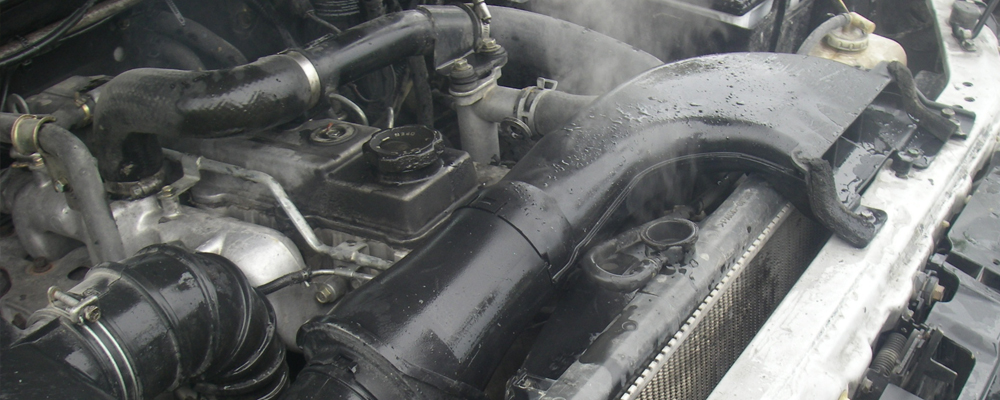
An overheating engine is more than a minor hassle. At best, it can lead to expensive repairs, and at worst, it could put you and your family in danger.
With the scorching summer months in New Jersey, it’s essential to understand how your engine’s cooling system works, know what to do if your engine overheats, and follow some tips to prevent it from happening. This guide will cover all these points and more.
Understanding Your Engine’s Cooling System
Regardless of the season, vehicle engines generate a lot of heat. Here’s why:
- A typical four-cylinder engine in a small car going 50 miles per hour produces over 4,000 controlled explosions every minute.
- Each cylinder’s spark plug ignites a fuel/air mixture multiple times every second. That’s more explosions than a summer blockbuster movie!
Without a cooling system, the heat from these explosions would destroy an engine in minutes.
In a typical liquid-cooled engine, coolant absorbs engine heat and carries it to the radiator. Heat passes through the radiator tubes and fins into the surrounding air. Vehicle movement and the cooling fan move air through the radiator; the engine air intake serves a separate purpose. DENSO explains how radiator cooling works. Key parts of the cooling system include:
- Radiator
- Radiator cooling fans
- Pressure cap & reserve tank
- Water pump
- Thermostat
- Bypass system
- Freeze plugs
- Head gaskets
- Intake manifold gaskets
- Heater core
- A series of hoses
If your vehicle overheats, it’s because one or more parts of this system have failed. Let’s explore how this can happen.
How an Engine Overheats
An engine overheats when it generates more heat than its cooling system can handle. Here are some common causes:
- Leaks in the Cooling System: If coolant leaks from hoses, the radiator, water pump, or head gasket, there won’t be enough to maintain the proper temperature.
- Broken Water Pump: The water pump moves coolant through the system. If it fails, the coolant won’t circulate, leading to overheating.
- Radiator Failure: Damage to the radiator or its cooling fans can prevent the coolant from being properly cooled before returning to the engine.
- Low Engine Oil: Engine oil lubricates moving parts and also helps draw heat away. Low oil levels can lead to higher temperatures and potential overheating.
- Thermostat Failure: The thermostat regulates the engine’s temperature. If it fails, it can prevent the system from cooling the engine properly.
A skilled automotive professional can help identify and fix the cause of overheating.
What to Do if Your Engine Overheats
If your engine overheats, take these steps to ensure safety and prevent damage:
Recognize Overheating Signs
- Steam escaping from under the hood (it looks like smoke)
- The temperature gauge on your dashboard is maxed out
- Strange odors like burning oil or sweet-smelling antifreeze
Stop Driving and Pull Over
Safely pull over and stop the car. Continuing to drive can cause severe damage. If it’s not safe to stop immediately, turn on the heat to pull heat from the engine, roll down the windows, and drive at low RPM.
Don’t Open the Hood Immediately
Wait before opening the hood, as built-up heat and pressure can be dangerous.
Call for Help
Call roadside assistance and a tow truck. Keep the number of a trusted towing service handy for emergencies.
Preventing Engine Overheating
Here are some simple steps to help prevent your engine from overheating:
- Change Your Oil Regularly: Regular oil changes help maintain the engine’s temperature.
- Maintain Coolant Levels and Flush the Cooling System: Ensure your coolant levels are adequate and have your cooling system flushed periodically to remove debris.
- Inspect Radiator Airflow, Cooling Fans, Belts, and Hoses: Check the front of your vehicle for debris blocking airflow. Inspect belts and hoses for damage and get professional help if needed.
Engine Overheating FAQs
An overheating engine can’t maintain its normal temperature, leading to potential damage like failed head gaskets, cracked engine blocks, and warped pistons and cylinders.
Contact an auto repair provider if you suspect overheating. Signs of damage include damaged seals and gaskets.
Repair or replace the failed cooling system parts, such as the radiator, water pump, gaskets, or thermostat.
Keep the number of a reliable towing service, like Chain Gang Towing & Recovery Agency, handy. We can quickly get you and your vehicle out of the heat and provide the help you need. Call us for immediate roadside service.
Share Your New Knowledge
Send Us a Message
Check Out More From Our Blog

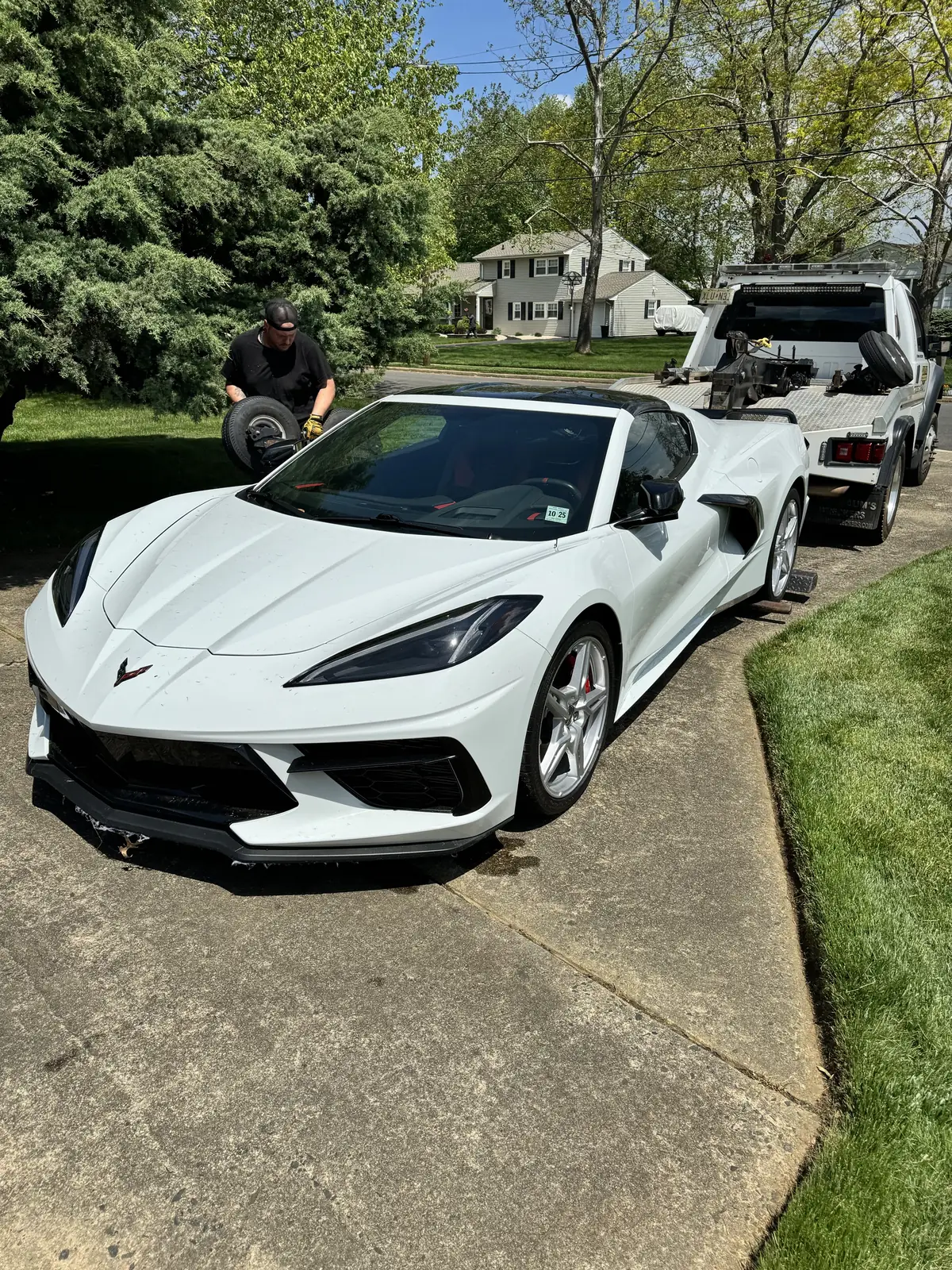

What to do when the temperature gauge climbs
Turn off the air conditioning, move to a safe location and shut the engine down if the gauge reaches the hot zone or steam appears. Never open a hot radiator or pressurized coolant cap.
- Wait for the engine to cool before inspecting anything.
- Do not continue driving if coolant is leaking or the warning returns.
- Share your location, vehicle details and warning-light information when calling for help.