 Skip to content
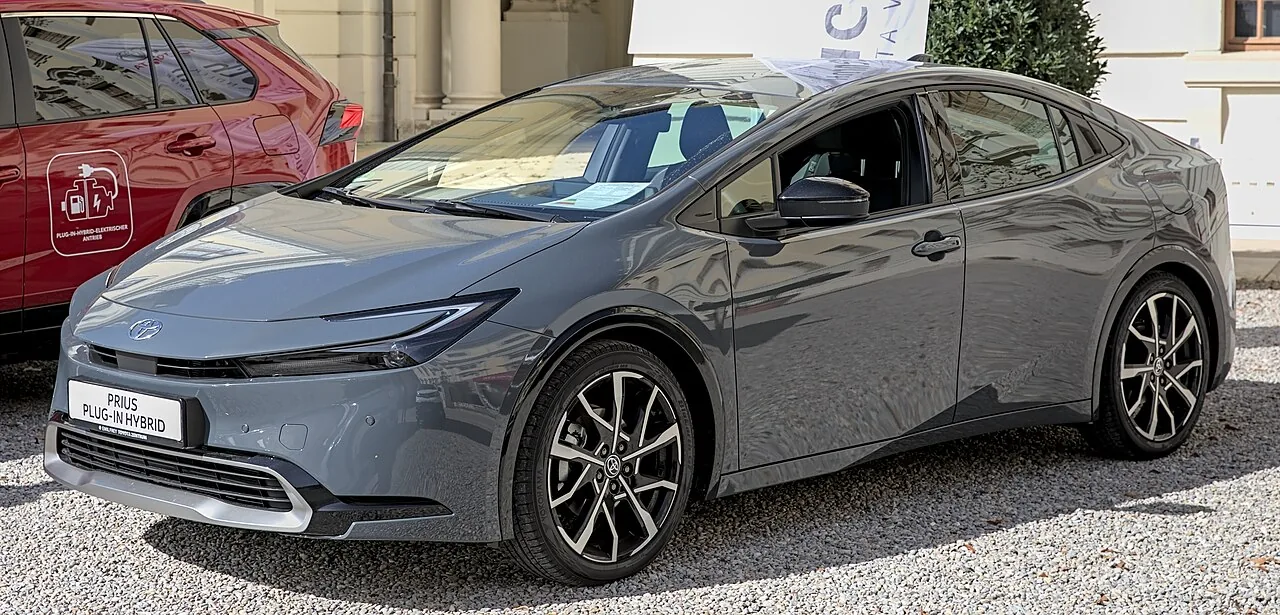
Photo: Alexander-93 · Source · CC BY-SA 4.0
A hybrid that will not start or enter its normal ready state should be identified as a hybrid at the beginning of the roadside call. Different power systems and vehicle-specific procedures make it important to avoid treating every no-start vehicle alike.
Share observations, not assumptions
Describe whether the dashboard turns on, what messages appear, and whether the vehicle stopped while driving or failed after being parked. Provide the year, make, and model. “The ready indicator does not appear” can be a useful observation without deciding which battery or component is responsible.
Avoid high-voltage components
Do not open battery enclosures, handle orange high-voltage cables, or attempt an improvised repair. NHTSA warns that damage to an EV or hybrid high-voltage battery can create serious hazards, including delayed fire risks. Smoke, unusual heat, or a damaged battery area requires an appropriate emergency response. NHTSA electric and hybrid vehicle safety.
Plan the appropriate destination
Contact a repair facility that can assess the specific hybrid model. Explain its condition and ask how the vehicle should be received. Do not assume that restoring dashboard power means an underlying problem has been repaired or that the car is safe for a continued journey.
For a towing or roadside-help request in Edison, New Jersey, tell Chain Gang about any locked wheels, missing keys, or access restrictions as well as the no-start symptoms. The operator needs the correct vehicle instructions for the proposed assistance or transport. Accurate identification and a confirmed receiving plan help keep a hybrid problem from being handled under the wrong assumptions.