 Skip to content
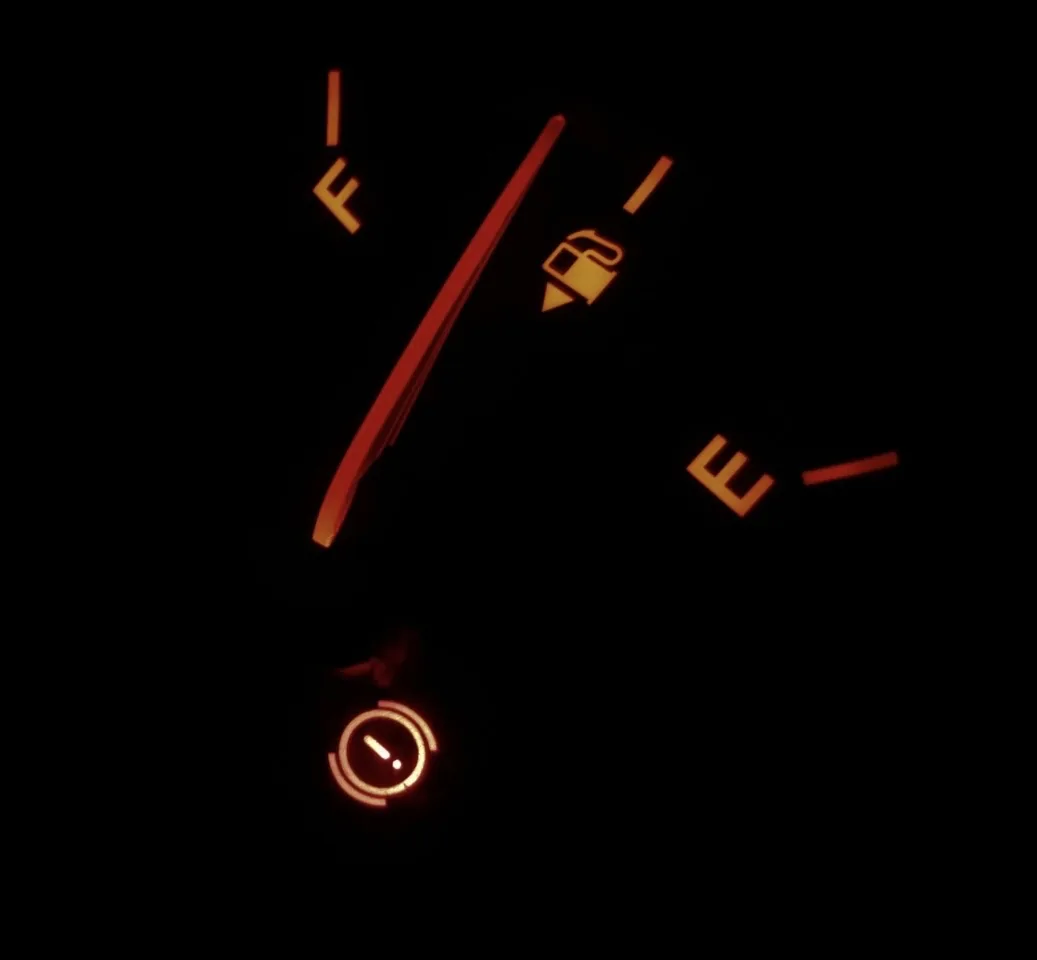
Photo: Atharv Chandel · Source · CC BY 4.0
A brake warning or a significant change in pedal feel is a reason to stop and seek appropriate help, not to test the vehicle with another drive. Follow the vehicle's manual and bring the car to a safe stop as conditions allow. If you cannot stop safely or there is immediate danger, contact emergency services.
Explain the symptoms clearly
Tell the repair shop and dispatcher what you observed: a warning message, an unusually soft pedal, a grinding sound, or a change in stopping behavior. Distinguish an observation from a diagnosis. “The pedal felt different” is useful information without guessing which component failed.
Do not treat a warning reset as a repair
Brake-system indicators and parking-brake indicators differ between vehicles. The Ford guidance linked here explains that its covered vehicle's brake warning can indicate a service issue when the parking brake is released. That does not diagnose another model; use its own instructions. Ford indicator guidance.
Avoid experimenting with adjustments or topping up fluid simply to see whether it becomes driveable. A professional should assess the condition.
Tell dispatch about movement concerns
Explain whether the vehicle is on a slope, in a parking space, or stopped near traffic. Do not push or release it to make pickup easier. The operator needs to plan around any uncertainty about braking or controlled movement.
For a towing request in Dunellen, New Jersey, give Chain Gang the vehicle details, location, symptoms, and confirmed repair destination. The transport decision and the brake diagnosis are separate tasks; describe the problem accurately so both can be handled appropriately.