 Skip to content
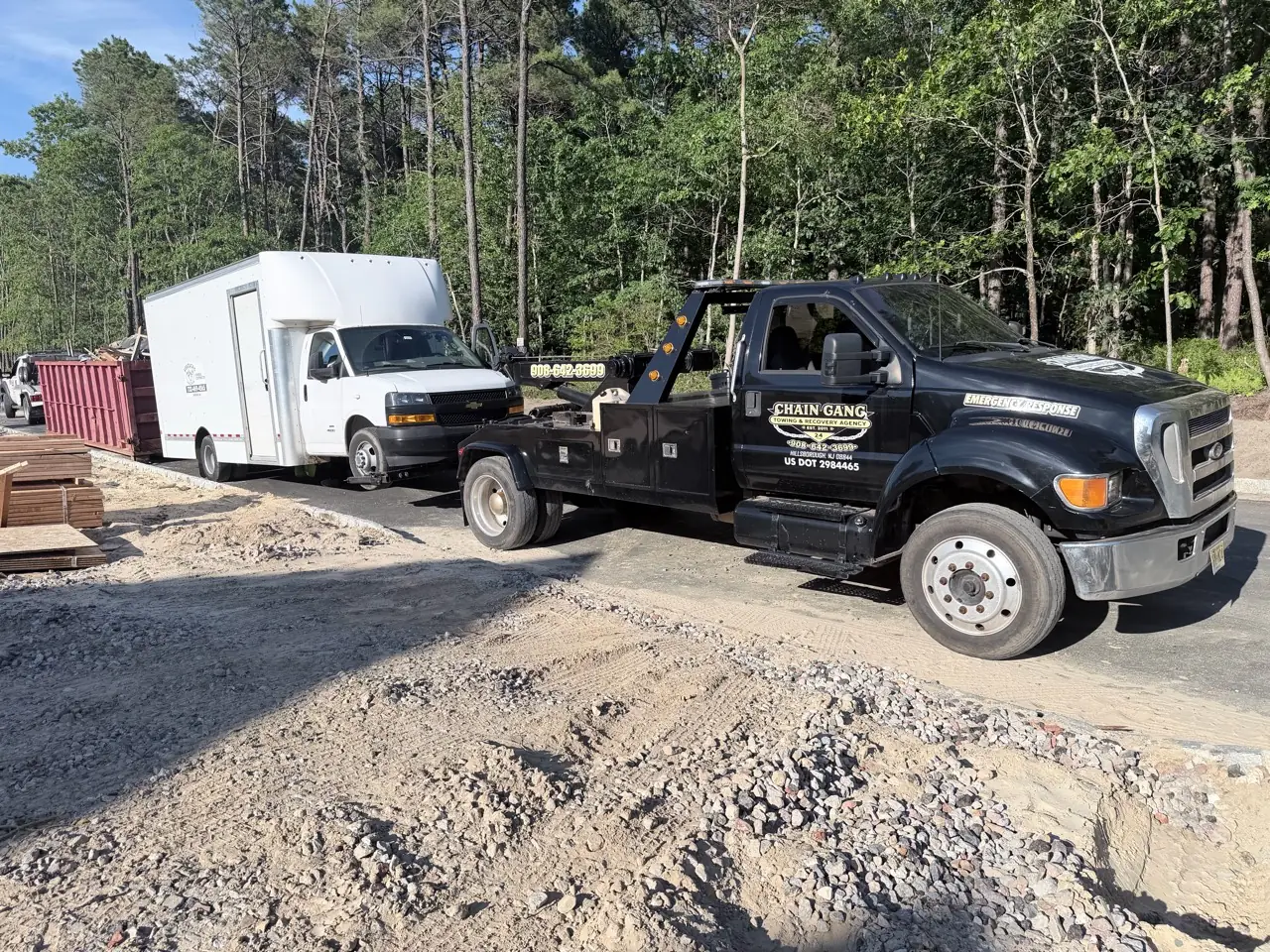
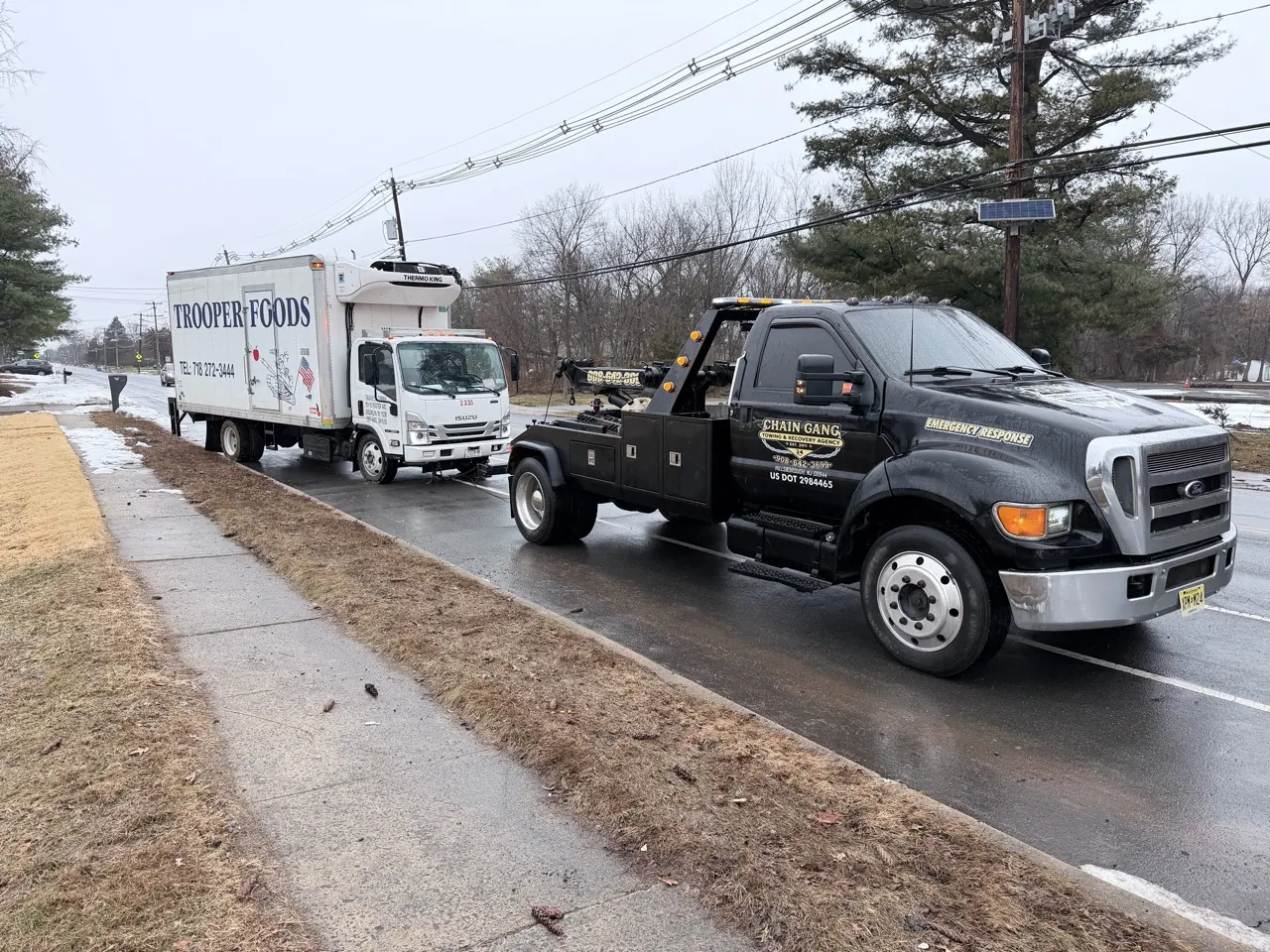
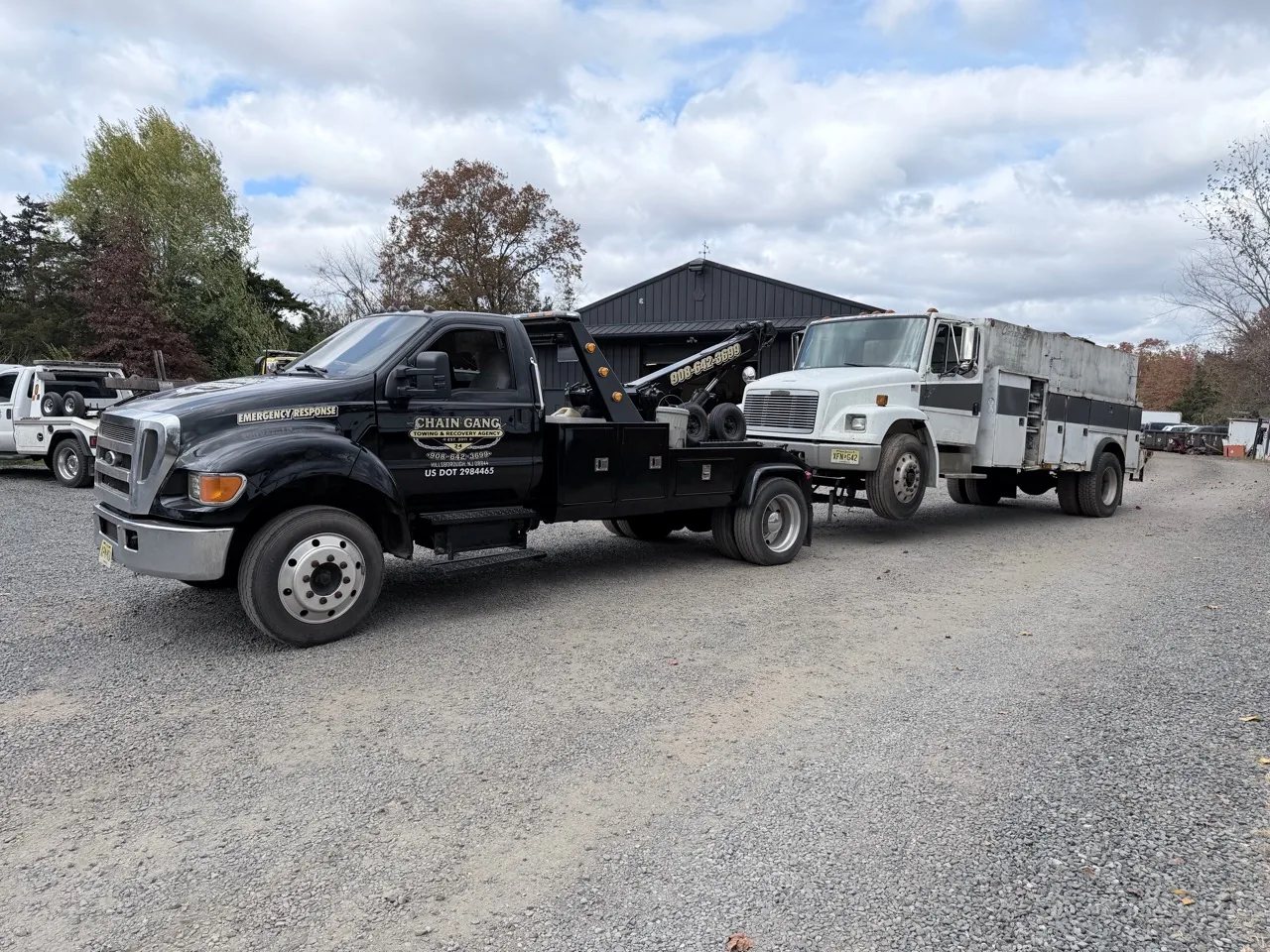
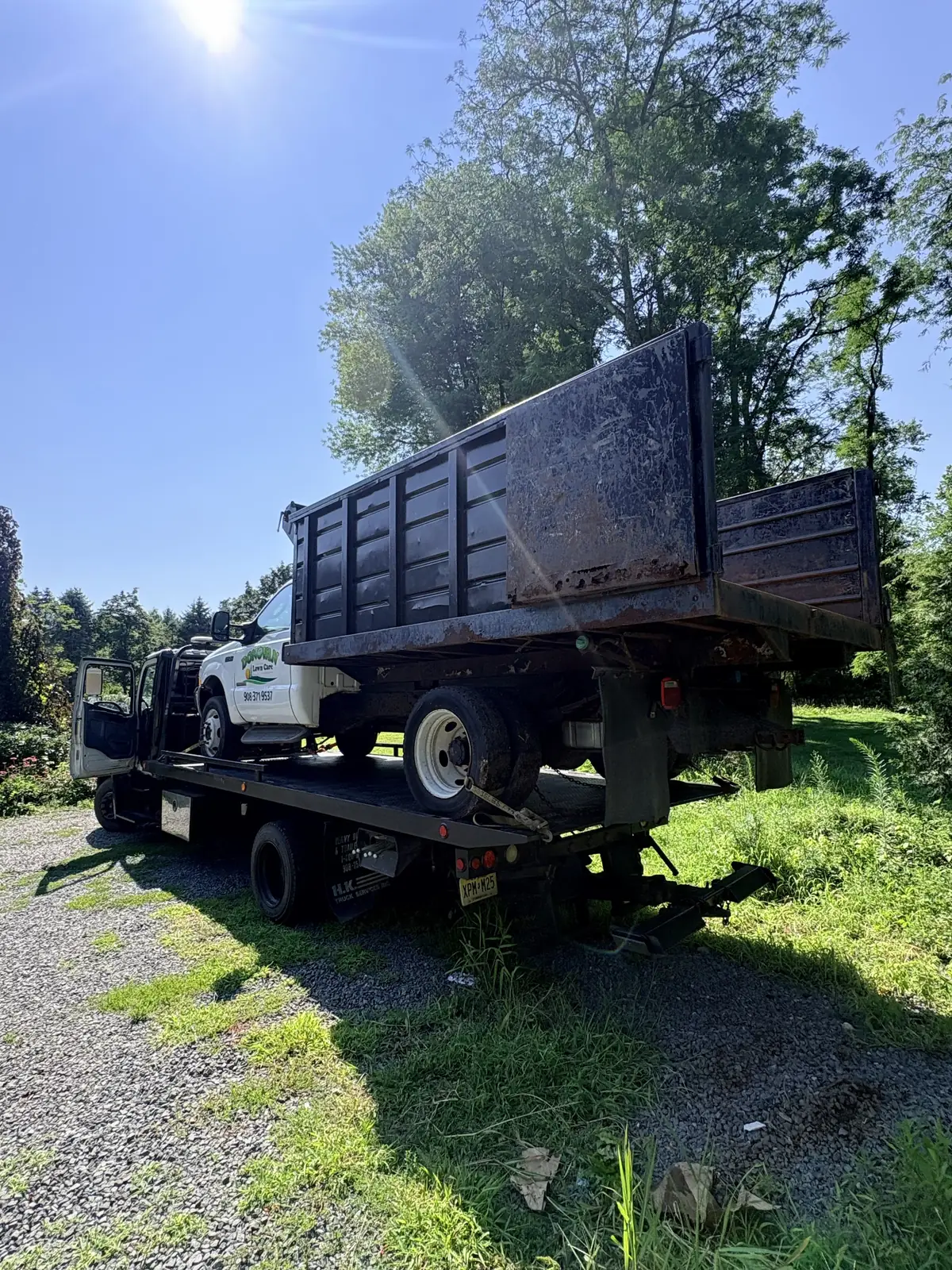
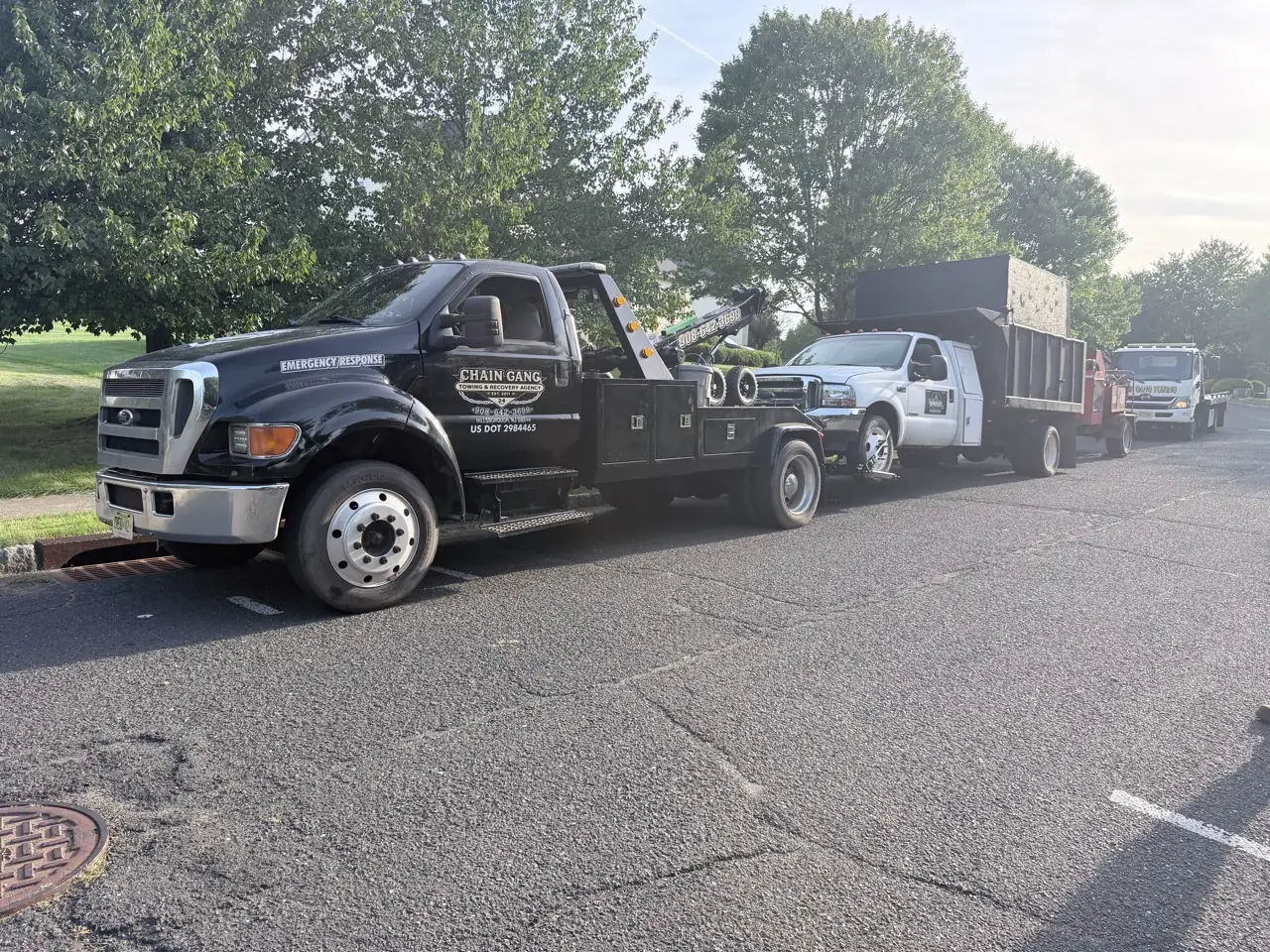
A box truck should be described as more than “a truck that will not start.” Its dimensions, configuration, load, and operating condition help determine whether the requested towing equipment is suitable. Have the available vehicle information ready before asking for a pickup.
Identify the truck
Provide the year, make, model, and any readily available weight-rating information. Tell dispatch whether it has a liftgate, unusual body equipment, or modifications. If you do not know a measurement or weight, say so rather than supplying an estimate as a verified fact.
Describe the load
Explain whether the box is empty or carrying goods, and whether anything presents a special handling concern. The operator needs accurate information to assess the job. Do not unload heavy goods at the roadside or shift cargo around without an appropriate plan.
Describe access and vehicle condition
Mention steering, wheel, suspension, or brake problems in addition to the original breakdown symptom. Explain whether the truck is at a loading dock, in a tight lot, on an incline, or near an overhead obstruction. A truck that fits the transport equipment may still have a difficult pickup route.
Confirm a receiving facility
Contact a shop that can accept the specific truck and explain its condition. Give dispatch the complete destination and receiving contact. If cargo must remain with the truck, discuss how that affects the handoff with the responsible parties.
For service-area inquiries in Woodbridge, New Jersey, Chain Gang should assess the truck and job before confirming availability or equipment. A clear description avoids treating a loaded commercial vehicle like an ordinary passenger-car tow or assuming capacity that has not been verified.