 Skip to content
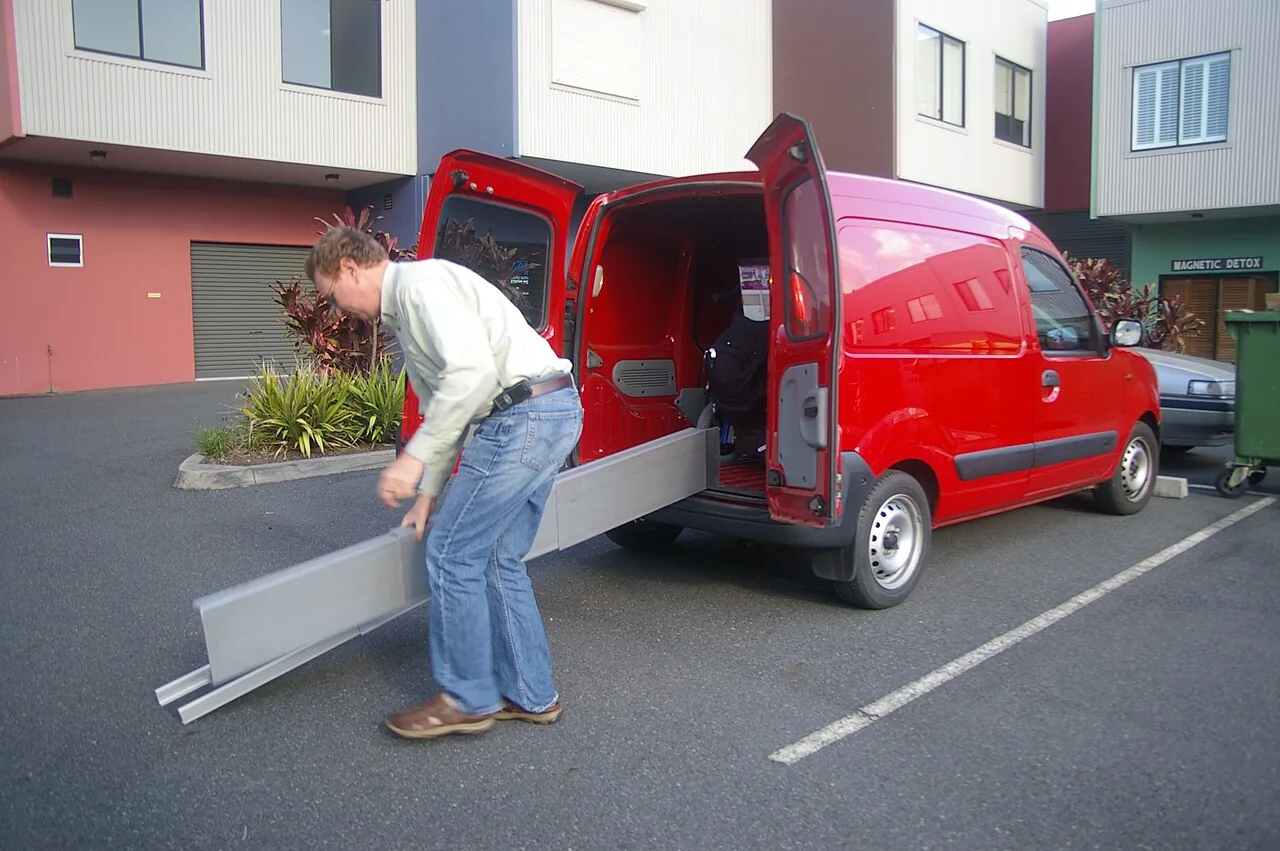
Photo: John Robert McPherson · Source · CC BY-SA 4.0
A towing request involving accessibility needs has two separate parts: moving the vehicle and arranging suitable transportation for the person using it. Explain those needs early so nobody assumes that the tow truck itself provides an appropriate passenger solution.
Share the practical requirements
Tell dispatch if a passenger uses a wheelchair or another mobility aid and whether separate accessible transport is needed. You do not need to provide a detailed medical history to explain the transportation requirement. If there is an immediate medical emergency, contact emergency services first.
Describe vehicle modifications
A ramp, lift, lowered floor, hand controls, or other modifications may affect how the vehicle should be approached or handled. Mention the equipment and whether it is working. Have manufacturer or conversion-company instructions available if you already possess them; do not try to dismantle or operate unfamiliar mechanisms to prepare for towing.
Coordinate the receiving location
Tell the repair facility about the modifications and ask whether it can accept and work on that vehicle. A standard service entrance may not be the correct handoff point. Confirm the destination and the person receiving the car before pickup.
Make a separate plan for mobility aids, medication, and other essentials that need to stay with the passenger. Only retrieve them if access is safe and coordinated with the operator.
For a request in Franklin Township, New Jersey, Chain Gang needs the vehicle details and a clear explanation of any access or passenger constraint. Ask what service can be provided and what arrangements must be made separately. A specific conversation about needs is more useful than an assumption that every towing vehicle or repair facility offers the same accessibility accommodations.