 Skip to content
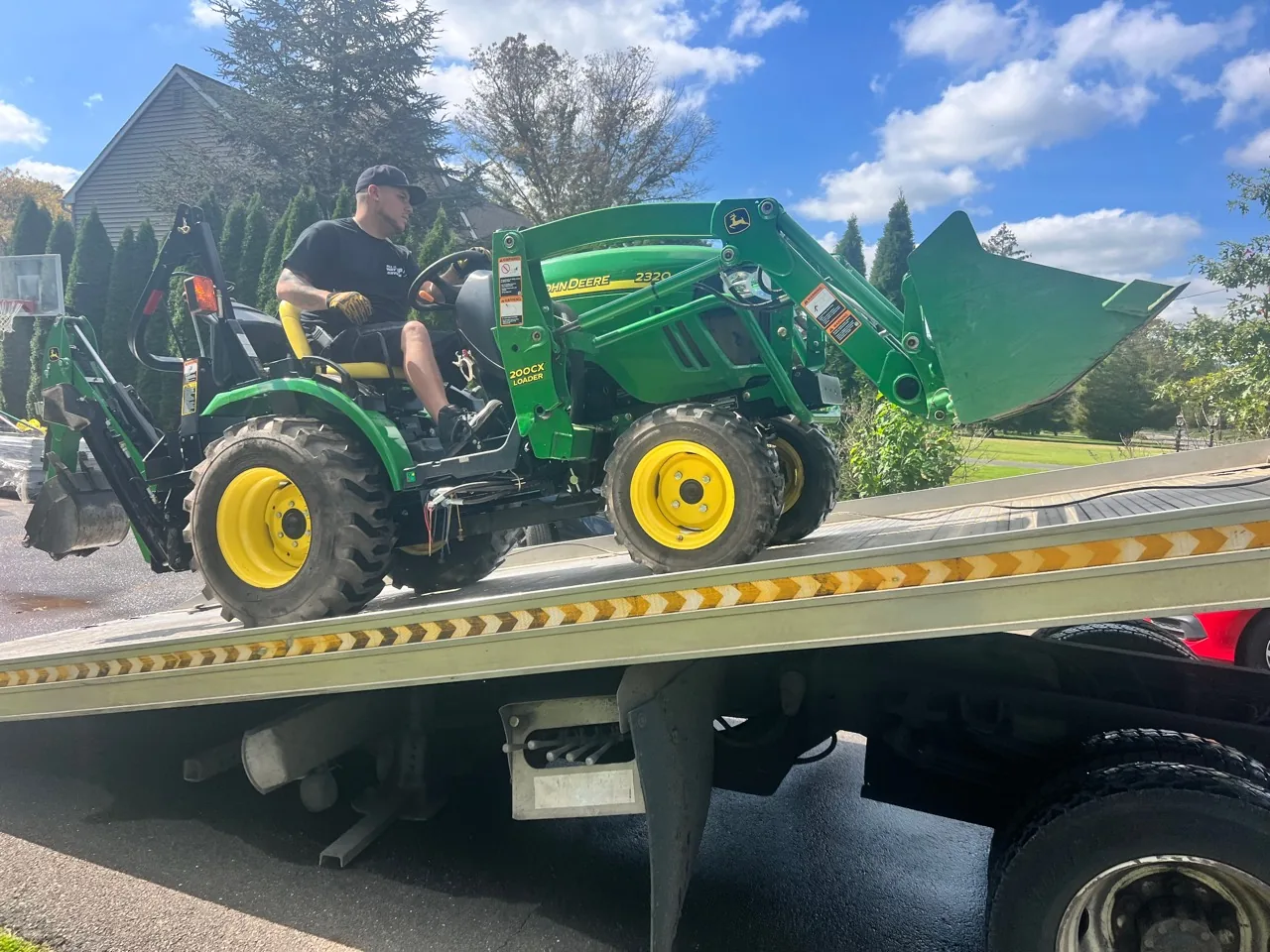
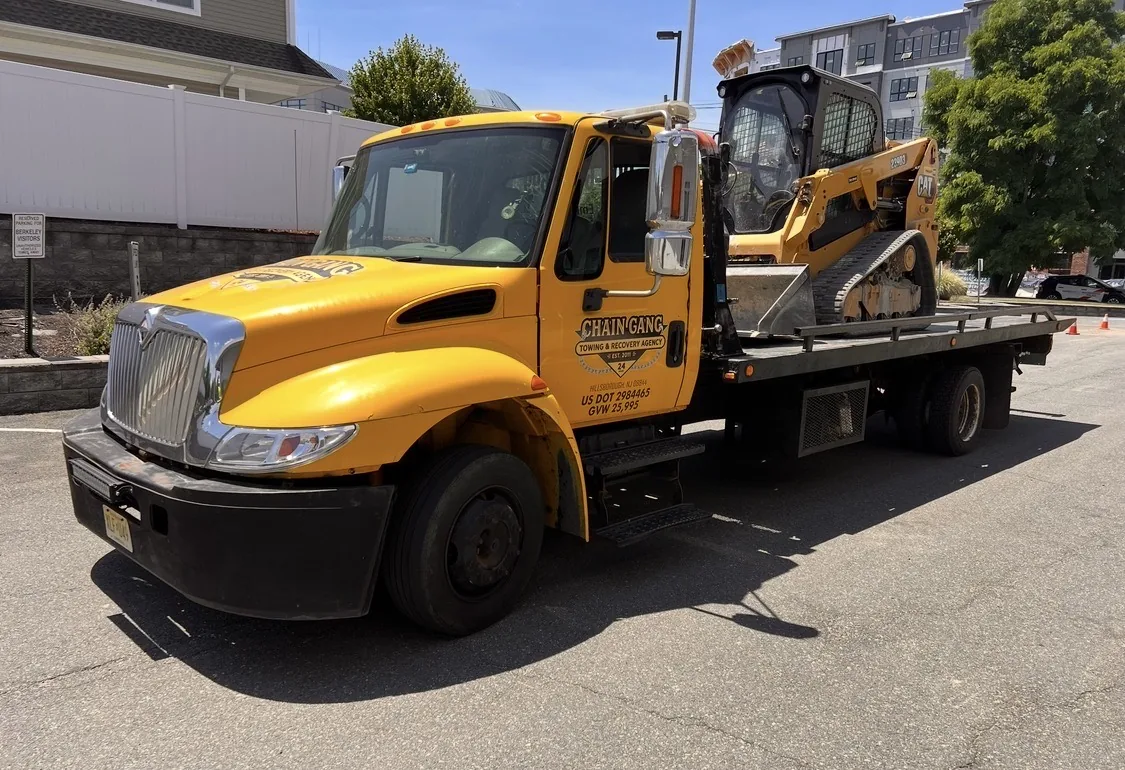
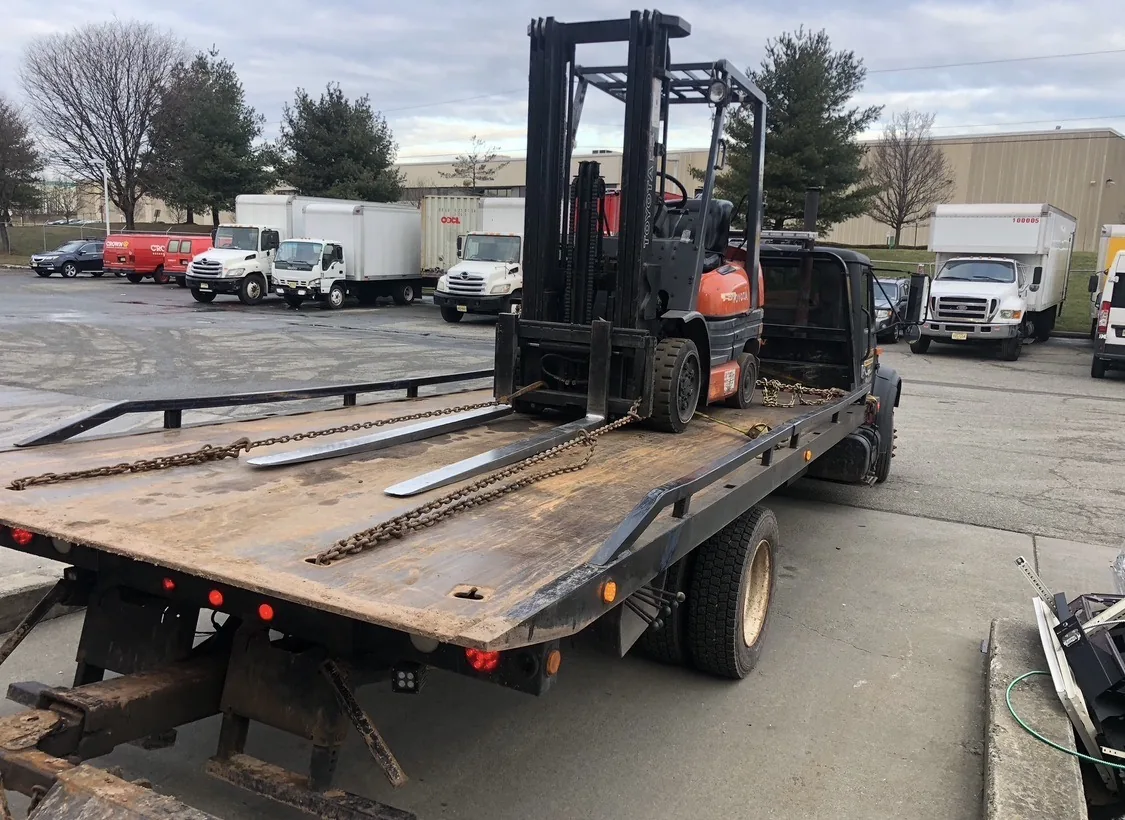
Equipment transport should start with the machine's specifications and loading conditions. A photograph is useful, but it does not establish the weight, dimensions, operating condition, or securement requirements of the equipment shown.
Find reliable specifications
Provide the manufacturer, model, and available weight and dimension information from the machine's documentation or identification plate. Mention attachments that are installed or traveling separately. If a specification is unknown, say that explicitly so it can be confirmed before a service commitment.
Explain how it can move
Tell dispatch whether the equipment operates, rolls, steers, or needs another method of loading. Describe leaks, damaged components, or anything that prevents normal operation. Do not run unfamiliar equipment or position yourself underneath it to gather information.
Review both sites
The pickup and delivery locations need suitable access and space. Mention gates, uneven ground, overhead restrictions, dock arrangements, and who will be present. Confirm that the destination is ready to receive the equipment before collection is arranged.
FMCSA publishes cargo-securement requirements, including provisions for equipment and machinery. Those requirements belong in the carrier's transport planning; a customer should not assume that ordinary straps or a convenient attachment point establish a suitable setup. FMCSA cargo-securement rules.
For an inquiry in Branchburg, New Jersey, ask Chain Gang to confirm whether the specific equipment and route fit its available service. Provide facts rather than selecting a truck by appearance. A reviewed transport plan is more useful than a promise based only on a machine's general category.