 Skip to content
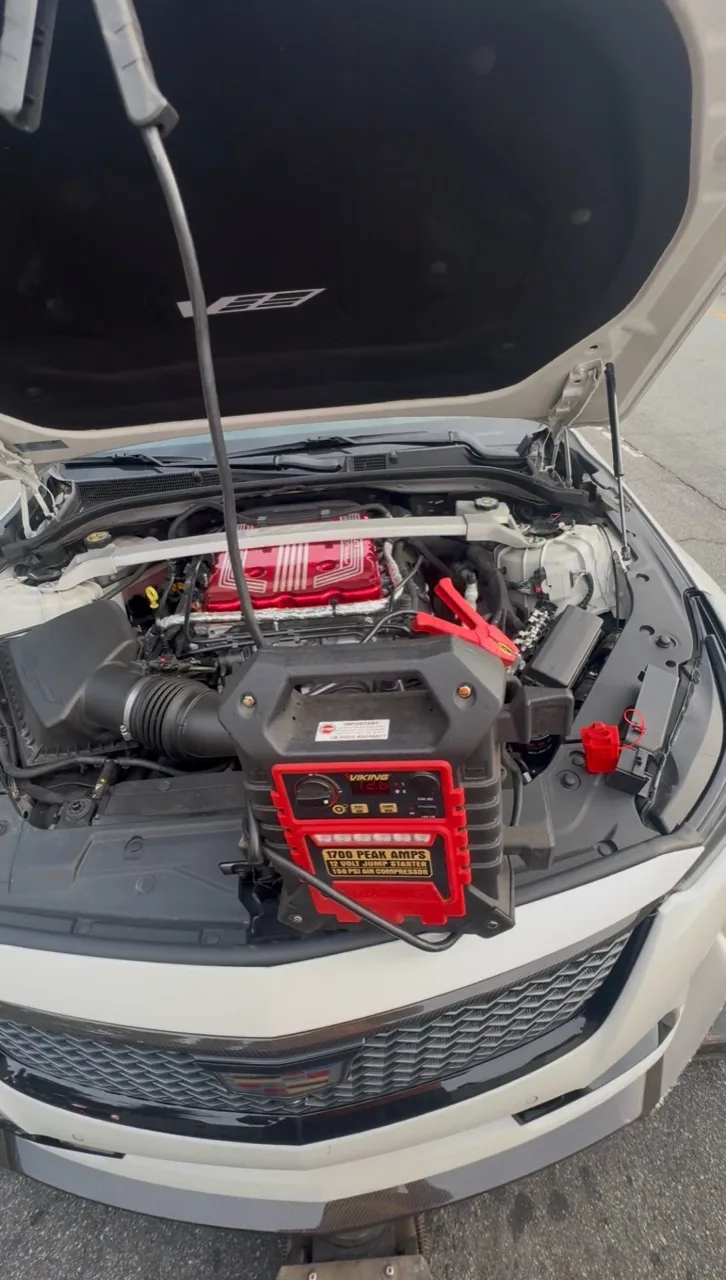
A vehicle that does not start may prompt a request for a jump-start, but a no-start symptom does not prove the battery is the cause. Useful observations help roadside assistance understand the situation without asking you to become a mechanic.
Tell dispatch what happens
Does the engine turn over, make a clicking sound, or stay completely silent? Do the dashboard lights turn on? Did the car stop while driving, or did it fail to start after being parked? Share any warning message exactly as displayed if you can read it safely.
These details describe the problem; they do not establish a diagnosis. Avoid repeated starting attempts when the vehicle's instructions warn against them or when you notice smoke, a strong unusual odor, or other signs of a hazard. An immediate danger calls for emergency assistance, not a routine troubleshooting conversation.
Identify the vehicle and its power system
Give the year, make, and model, and say whether it is a gasoline vehicle, diesel, hybrid, or electric vehicle. Do not assume that a visible battery terminal or a procedure used on another car is appropriate. Roadside preparation should follow the specific vehicle's instructions.
Have a backup destination
Ask what happens if the vehicle cannot be restored to service at the pickup location. You may need a tow to a repair facility rather than another starting attempt. Confirm the shop and whether it can receive the car before a transport decision is made.
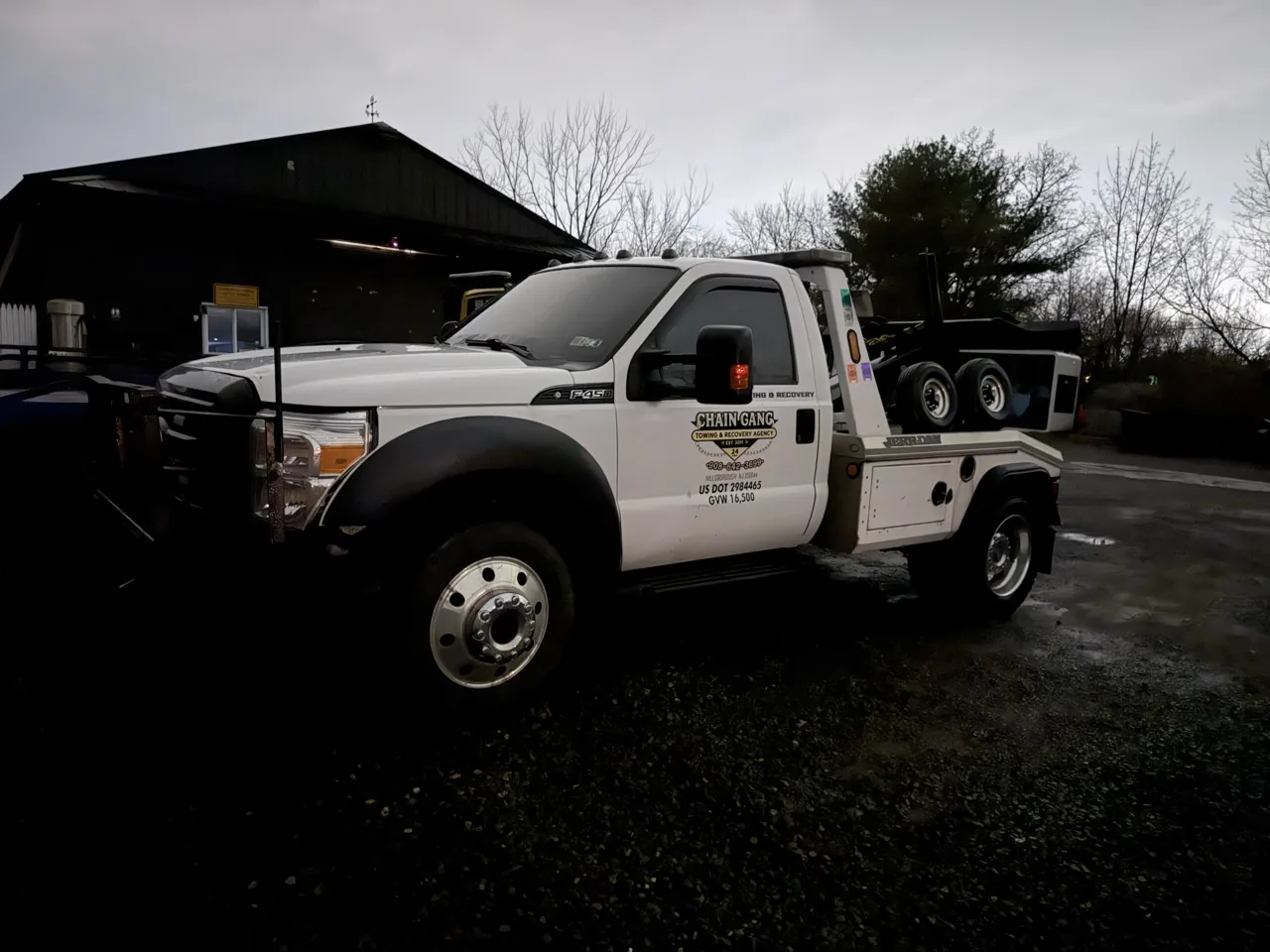
Chain Gang can use your observations to assess a roadside-help request. Describe what happened and what the car does now; let the operator explain the available next step. A successful start also should not be treated as proof that an underlying charging or starting problem has been repaired.