 Skip to content
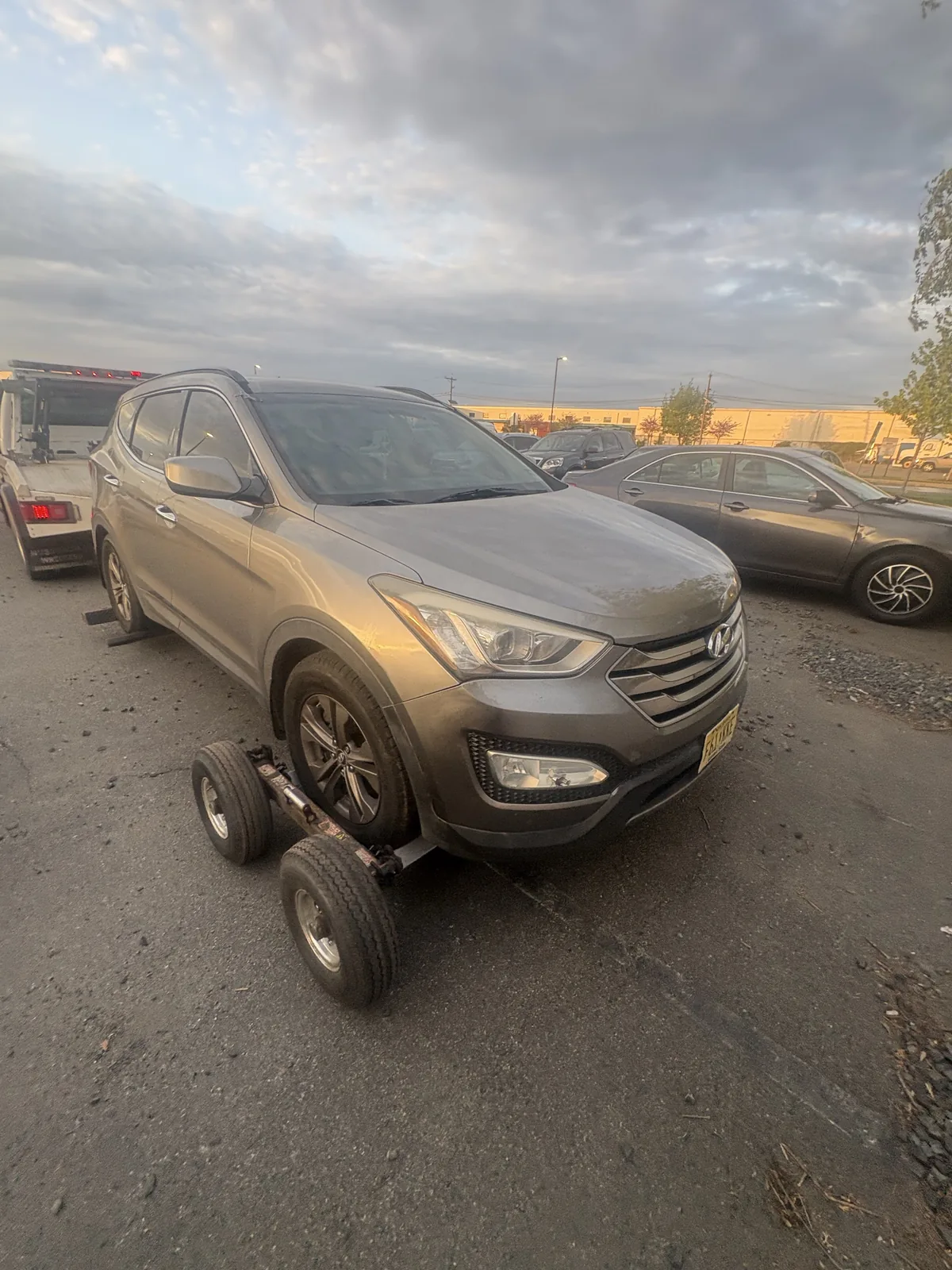
Missing keys do not answer every question about whether a vehicle can be moved. The operator must consider access, authorization, steering, wheel movement, and the vehicle's instructions. Tell the towing company about the missing key when making the request, not after the truck arrives.
Explain why the key is unavailable
A lost key, a damaged key fob, and a key held by a repair shop are different situations. Say whether you can access the passenger compartment and whether anyone can bring a working key. Do not assume a tow includes unlocking, programming a replacement key, or repairing an ignition.
Have authorization information ready
The company may need to establish who is requesting the move and why that person can authorize it. If the vehicle belongs to someone else or sits on property you manage, describe that accurately. Possession of a parking space or knowledge of the vehicle's location should not be treated as proof of ownership.
Describe how the car is positioned
A vehicle with no key may also have locked steering or remain in Park. Mention narrow spaces, slopes, damage, and nearby obstacles. Do not try to drag it with another vehicle or bypass its security systems. The operator should assess the appropriate method and equipment.
Confirm the destination and key arrangements there. If a locksmith or dealership is involved, find out what it needs from you before delivery. That avoids a second delay after transport.
For a Chain Gang request, provide the vehicle details and explain the missing-key issue directly. Dispatch can then identify what needs confirming before a pickup is accepted. A phone conversation is a planning step, not an automatic promise that every keyless vehicle can be moved immediately.