 Skip to content
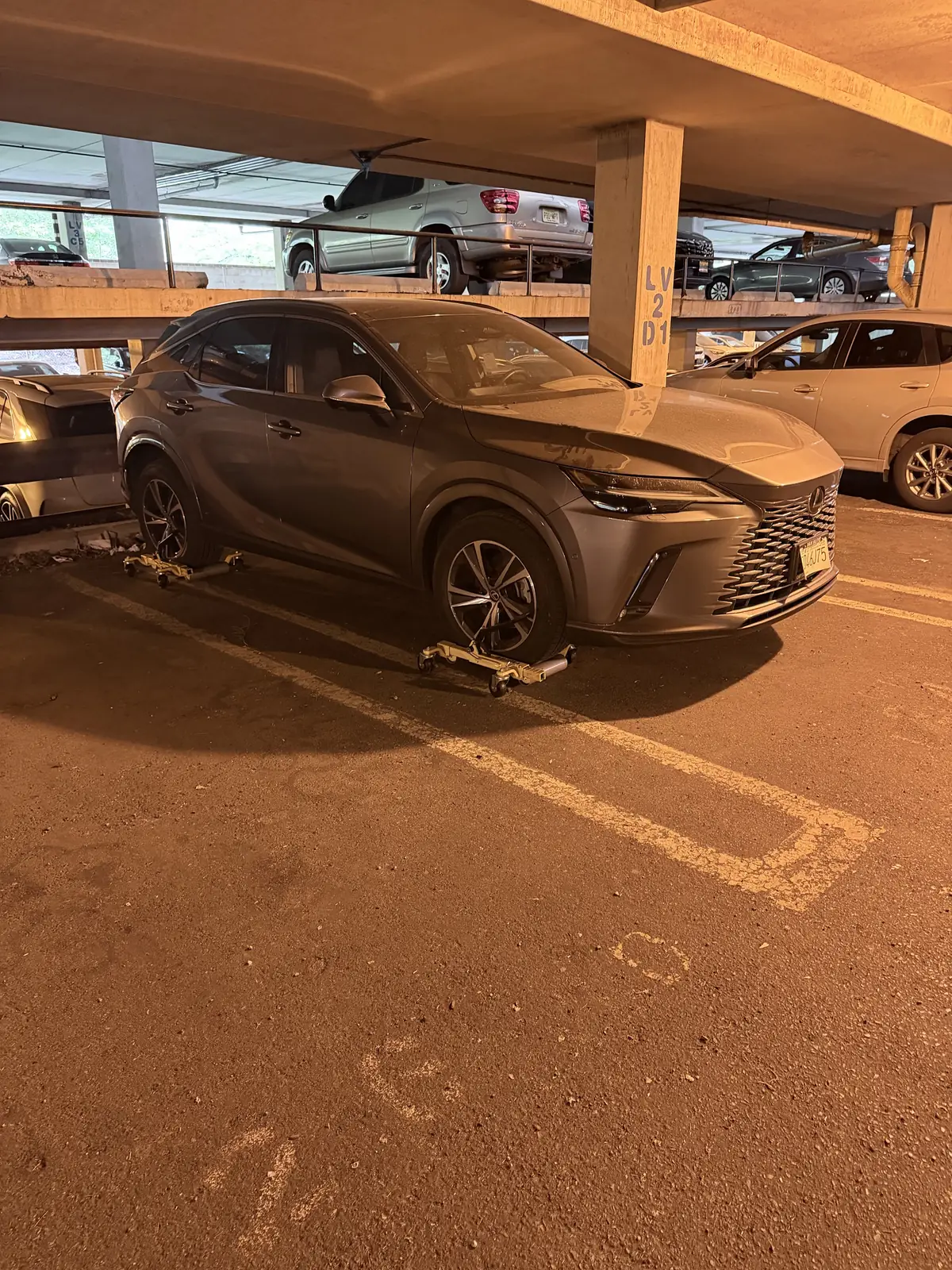
A car that will not shift out of Park can still need transport. The important step is to tell dispatch before arrival. Otherwise, the request may sound like a routine pickup even though the vehicle cannot roll normally.
Report the symptoms
Explain whether the engine starts, whether the dashboard turns on, and what message appears. Tell dispatch if the key or key fob is available. If a repair shop has already inspected the vehicle, pass along its written findings rather than converting them into your own diagnosis.
Do not force the shifter or start removing trim based on a video for a different vehicle. Shift-release and transport procedures vary by model. A vehicle becoming free to roll also introduces a movement risk, particularly on a slope.
Describe the surroundings
Is the car against a wall, parked nose-in, or on an incline? Are other vehicles blocking the approach? The operator needs to assess both the vehicle's condition and a safe loading route. Keep people away from the work area and do not try to push the vehicle into a better position before the operator evaluates it.
Coordinate with the receiving shop
Tell the repair facility that the vehicle cannot shift normally. Confirm where it should be delivered and who will accept it. A locked or non-rolling vehicle may require a different handoff than one the shop can simply drive into a parking space.
When contacting Chain Gang, use plain observations: “It starts but stays in Park,” or “The dashboard is dark and the shifter will not move.” Accurate descriptions help plan the job while leaving diagnosis and any release procedure to the people handling the vehicle.