 Skip to content
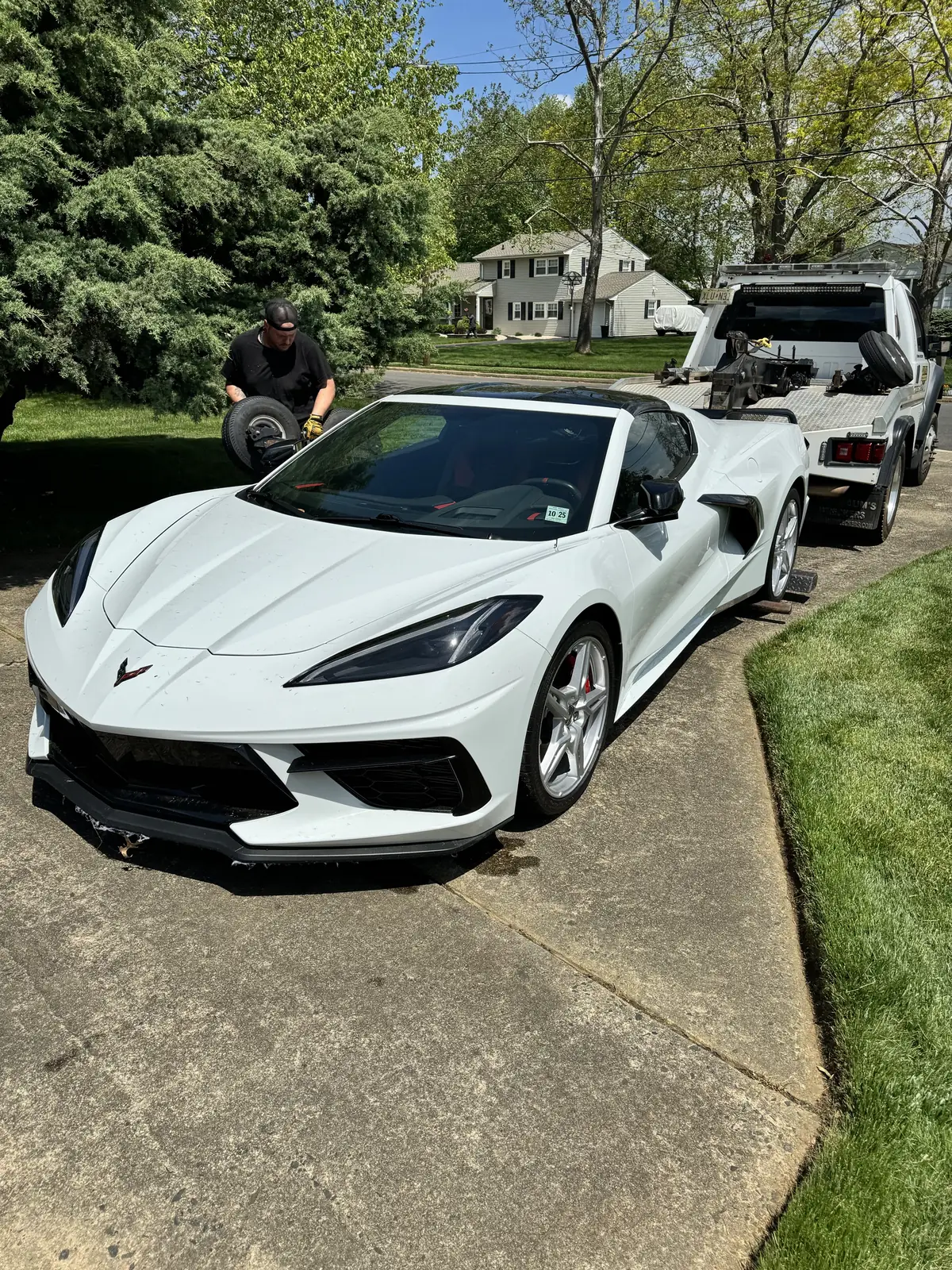
A lowered car can need extra planning even when it runs and steers normally. Ground clearance, driveway slope, bodywork, and the loading approach all matter. Explain modifications before the truck arrives so the operator can assess whether the available equipment and access are suitable.
Describe what has changed
Mention lowered suspension, a front splitter, side skirts, aftermarket exhaust, or unusually low bodywork. Give the make and model as well; “lowered sedan” does not identify the vehicle. If you know the clearance measurement, share it, but do not position yourself underneath an unsupported car to take one.
Photograph the approach
A side view and a view of the driveway entrance can be more useful than a close-up of a wheel. Include the transition from the street to the driveway, where scraping might occur. Take photos only from a safe place and keep other people's faces, plates, and addresses out of the image where possible.
Explain any adjustable features
If the vehicle has an adjustable suspension setting, tell the operator whether it is working. Do not change settings or improvise a loading procedure unless the operator and the vehicle's instructions support it. Equipment needs can differ between a running car and one with no power or damaged suspension.
Before loading, identify existing cracks, loose trim, and vulnerable accessories together with the operator. Make sure the receiving shop also knows the vehicle is lowered; its driveway can be just as relevant as the pickup location.
For a Chain Gang request, the goal is to provide enough detail to plan the move. No operator can promise that every clearance problem is solved by a particular truck without first assessing the vehicle and route.