 Skip to content
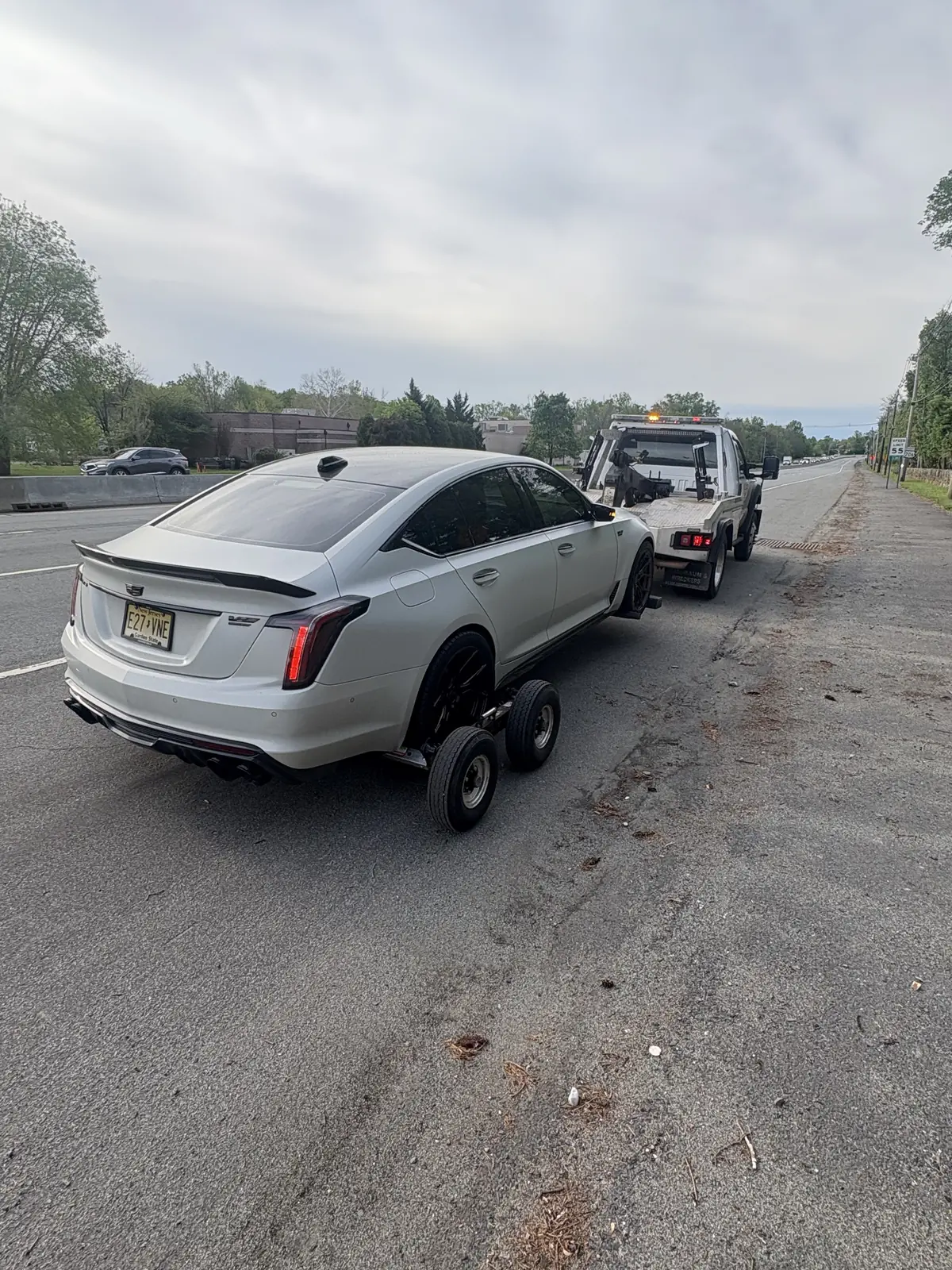
“All-wheel drive” is important information when arranging a tow, but it is not a complete towing instruction. The appropriate transport method depends on the specific vehicle and its condition. A dispatcher needs the year, make, model, and drivetrain before discussing suitable equipment.
Identify the vehicle accurately
Do not assume that every version of a model has the same drivetrain. Check the owner's manual or vehicle information if it is readily available. If you are unsure whether the car is AWD, four-wheel drive, or two-wheel drive, say that plainly. The operator can then confirm the relevant manufacturer instructions instead of relying on a guess.
Manufacturer requirements can be specific. For example, the Ford manual linked here specifies keeping all wheels off the ground for the AWD vehicle it covers. That is a model-specific instruction, not permission to apply one method to every vehicle. Ford owner's manual.
Describe damage and access separately
A vehicle may be AWD and also have a locked wheel, suspension damage, or a missing key. Mention each condition. A narrow driveway or garage entrance is another separate constraint. The fact that a particular truck can carry the vehicle does not establish that it can reach the vehicle where it sits.
Let the operator manage preparation
Do not disconnect drivetrain parts or follow an online neutral-release procedure for a different model. Share the manual if you have it, and let the operator decide how to prepare and load the vehicle safely.
When calling Chain Gang, ask which vehicle details are needed to confirm the transport plan. The useful starting point is accurate information about the car, its condition, and its surroundings—not selecting equipment from a general rule found online.