 Skip to content
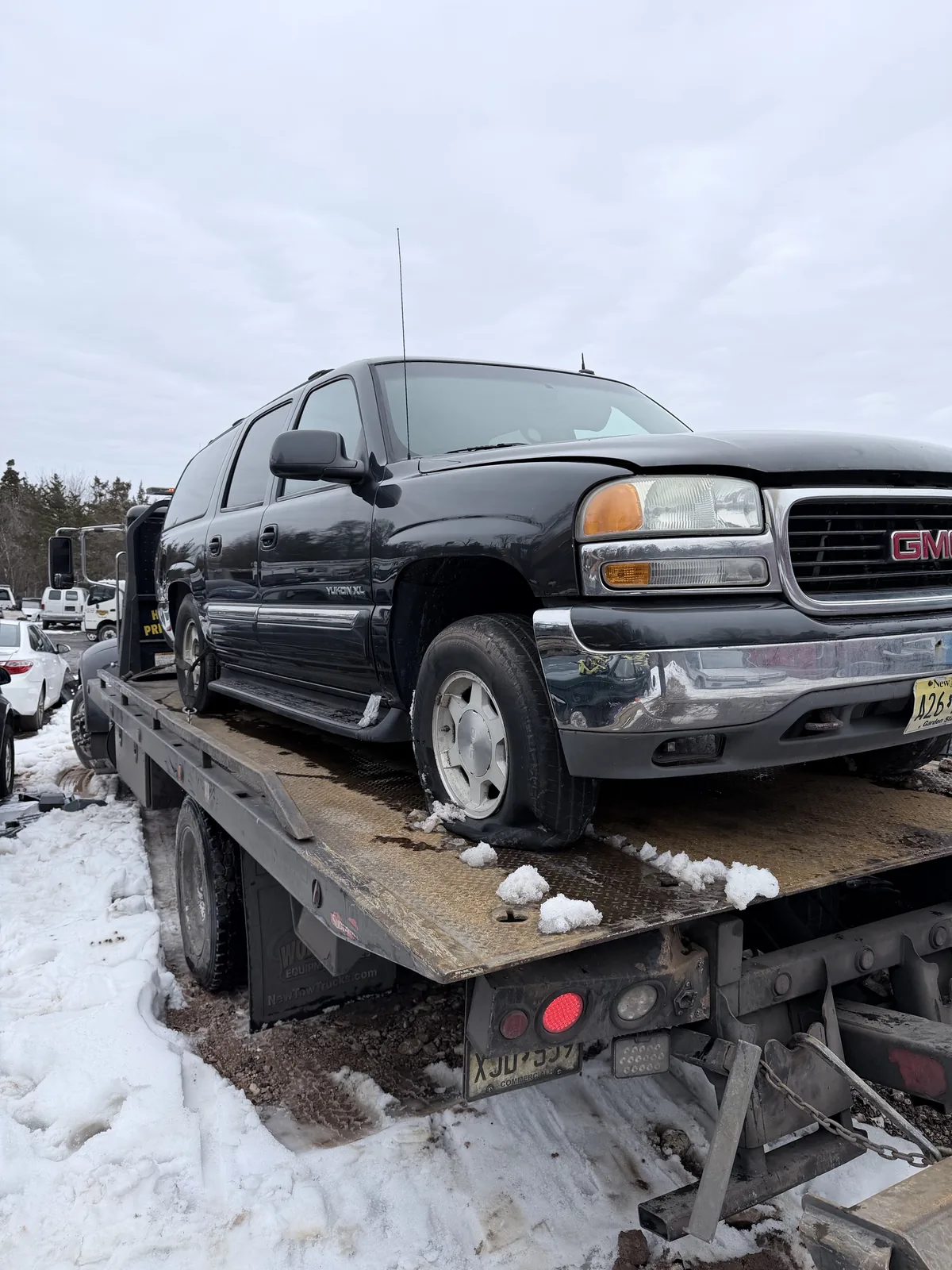
Finding a flat tire is frustrating enough without discovering that there is no spare. Before requesting a tire change, find out what equipment the vehicle actually carries. Some vehicles have a spare, others have a repair kit, and equipment may have been removed by a previous owner.
Check the available equipment safely
If you are safely parked away from traffic, look in the storage area identified by the owner's manual. Tell dispatch whether you found a spare, an inflator kit, or neither. Do not crawl under the vehicle or unload luggage beside passing traffic to investigate. A photo taken from a safe spot can help explain what is present.
The spare's condition matters too. NHTSA recommends checking tire pressure, including the spare, and using the vehicle's specified information rather than guessing. A tire that has been stored for years should not automatically be treated as ready for service. NHTSA tire guidance.
A tire change may not be the right request
Tell the dispatcher if the wheel itself is bent, a tire has come off the rim, or more than one tire is damaged. Those observations can change the equipment discussion. An inflator kit also should not be assumed suitable for every kind of damage; follow the vehicle and kit instructions.
Plan the repair destination
If there is no usable spare, ask about transport to a tire shop and confirm that the shop can receive the vehicle. Check its closing time and whether your tire size is available before selecting a destination solely because it is nearby.
For a Chain Gang request, explain the damaged corner, the vehicle details, and the equipment you found. That helps distinguish a possible roadside tire service from a tow request without making you diagnose the damage yourself.